
Last updated November 21, 2026
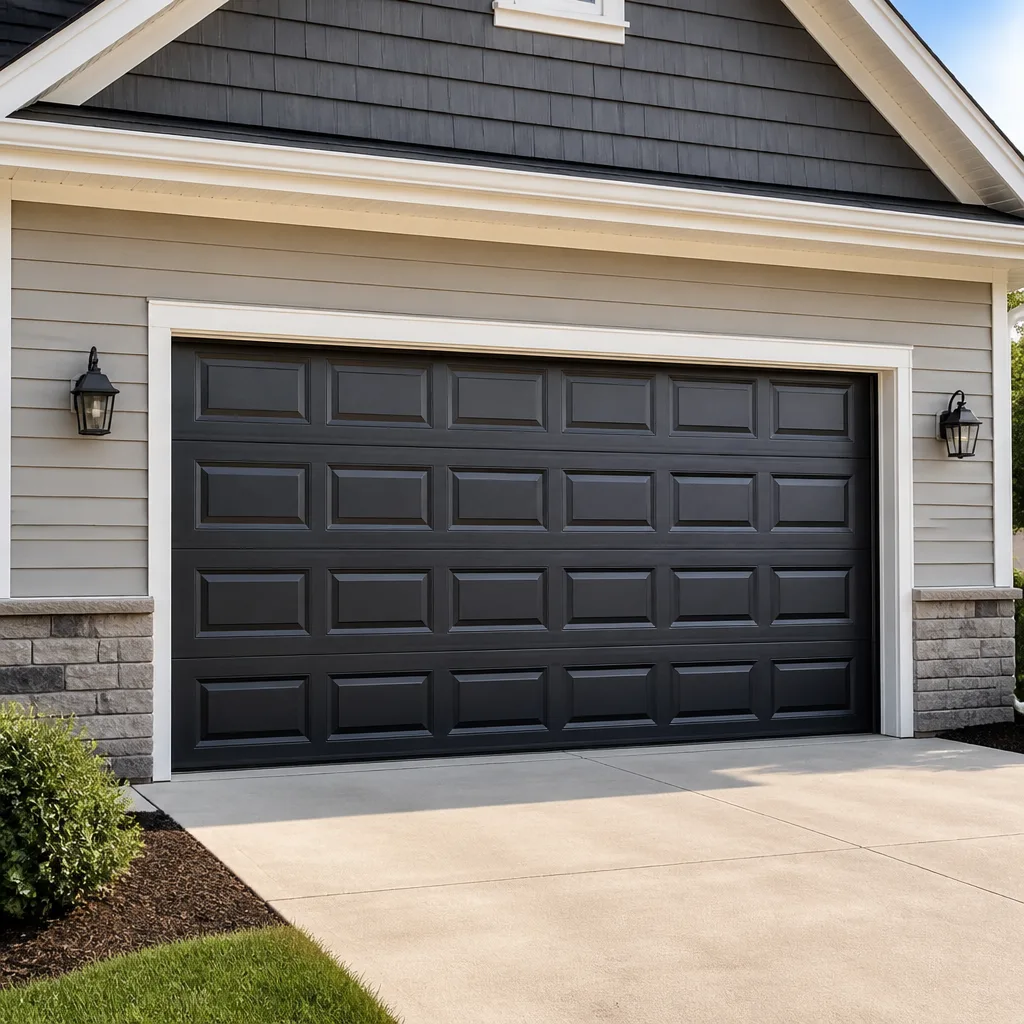 Raised-panel steel
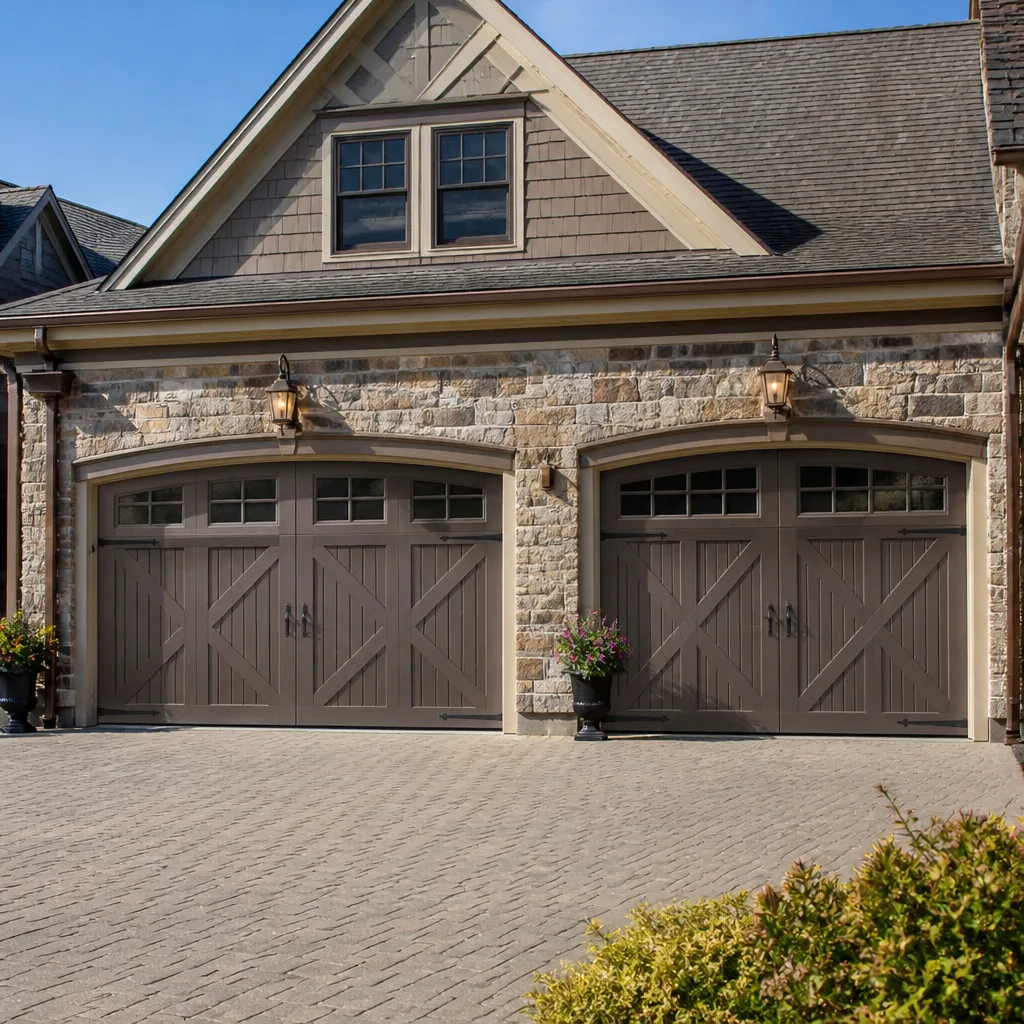 Carriage house
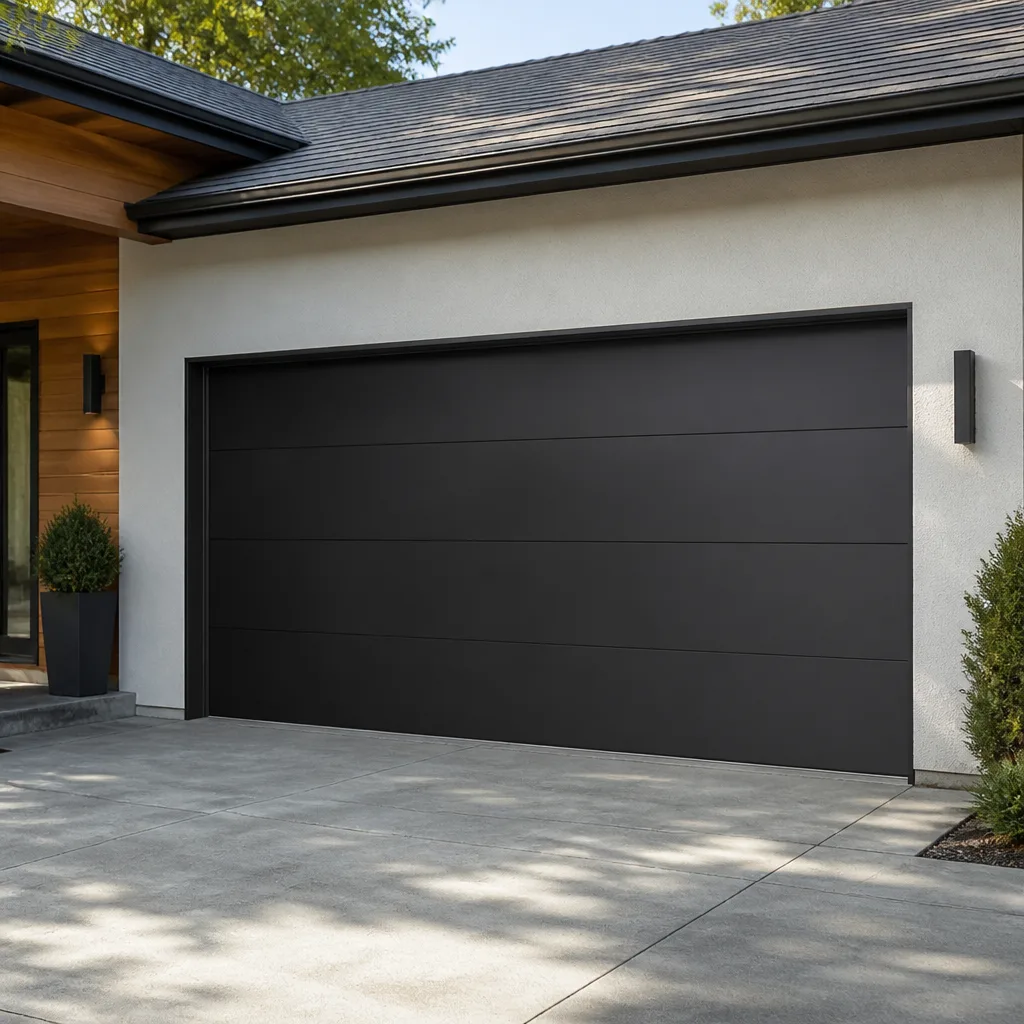 Modern flush
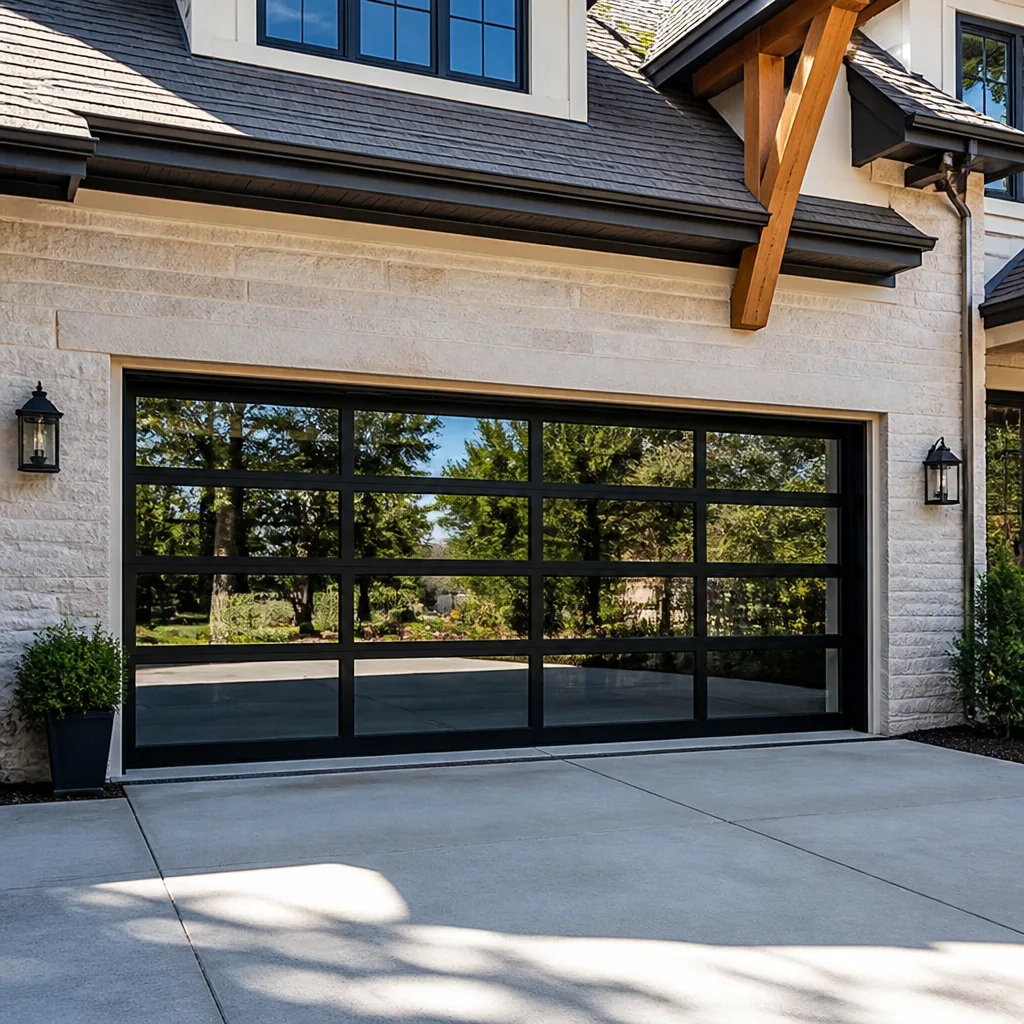 Full-view glass
 LiftMaster openers
 Chamberlain openers
Full 25-point door and opener safety check with every visit - springs, cables, rollers, tracks, and your LiftMaster or Chamberlain opener included
You get a price before we start. It does not change when the pro arrives.
Get your free estimateSeasonal Garage Door Care for North Port: Year-Round Homeowner’s Guide
There is no “fall maintenance window” in North Port the way a national guide describes it. Most seasonal garage door checklists you’ll find online were written for a place with four even seasons, and they tell you to prep for winter right about the time your door is actually sitting in the middle of hurricane season. The gap matters, because the care a garage door needs here follows a different calendar: a wet season, a dry season, a hurricane window, and a short cool stretch that creates its own humidity and temperature-swing problems. This guide maps garage door care to the seasons North Port actually has, walks through what to check and when, and shows you where deferred damage quietly turns into a spring or opener failure.
Styles & brands we work with
- Raised-panel steel
- Carriage house
- Modern flush
- Full-view glass
- LiftMaster openers
- Chamberlain openers
Quick Answer
In North Port, garage door care runs on four real seasons rather than the standard spring-summer-fall-winter cycle. Check and lube the moving parts before the wet season begins in late spring, prep the door for storm conditions during hurricane season, inspect springs, cables and anchors once the season winds down in October and November, and watch lubricant and spring tension through the cooler dry months. Year-round, the sun angle here wears on panel finish and weatherstripping faster than humidity alone would.
Table of Contents
- Why the Standard Seasonal Calendar Doesn’t Fit North Port
- Pre-Hurricane Season (April-May): Load-Testing, Anchors, and Seals
- Active Hurricane Season (June-September): Storm Prep 72 Hours Out
- Post-Storm Inspection (October-November): Finding Hidden Damage
- Dry Season (December-March): Lubricant, Springs, and Thermal Contraction
- The Year-Round Factor: UV, Sun Angle, and Weatherstripping
- A Single Seasonal Checklist You Can Actually Keep Up With
- Common Mistakes to Avoid
- When to Call a Professional
- Frequently Asked Questions
- The Bottom Line
Why the Standard Seasonal Calendar Doesn’t Fit North Port
Most garage door maintenance advice assumes a northern year: cold, snow, thaw, hot summer. North Port’s year splits differently. We get a long warm stretch, a distinct wet period, a real hurricane window, and a short cool dry season that arrives around December. Those swings do different things to a door than winter does.
The core components at risk change with each stretch. During the wet months, moisture and heat stress the seals, weatherstripping, and painted finish. Through hurricane season, the entire structure gets tested by wind and the flexing it causes. In the cooler dry months, temperature drops overnight change how lubricant flows and how much tension the springs carry. Treating all of that as “general maintenance” misses the specific timing.
What this means practically:
- Springs take a beating from the temperature swings between a warm afternoon and a cool overnight, especially in the dry season.
- Bottom seals and weatherstripping fade under steady sun and stiffen through the cooler months.
- Opener motors work harder when lubricant thickens and hardware tightens in cooler temperatures.
- Cables and anchors absorb the stress of storm-season flexing, and that damage doesn’t always announce itself.
We’ve worked on doors across North Port, from the older neighborhoods off Sumter Boulevard to the newer builds toward the western edge of town, and the pattern holds: the failures that surprise people here almost always trace back to a season they didn’t account for. A door that looked fine in July can develop a tired spring by the following March if nothing was inspected in between.
Pre-Hurricane Season (April-May): Load-Testing, Anchors, and Seals
This is the window most North Port homeowners skip, and it’s the one that pays off most. Before storm season arrives, the goal is to confirm the door system can handle wind pressure and flexing, and that the seals around it aren’t already failing. Think of it as a stress check, not a repair.
What a pre-season inspection should cover:
- Load-test the braces and struts. Any horizontal reinforcement on the door’s back should sit flat and tight, with no bowing or loose fasteners. Wind pushes against the full panel, and a brace that’s come loose transfers that load somewhere it shouldn’t go.
- Verify anchor bolt torque at the tracks and brackets. The bolts that hold the vertical and horizontal track to the framing should be snug. A torque wrench or a careful hand-check on each fastener tells you whether anything has loosened over the year.
- Inspect the bottom seal and side weatherstripping. A marginal bottom seal is a real issue in a storm surge scenario. When wind-driven water reaches the opening, a seal that’s cracked, shrunk, or pulled away from the threshold lets water and pressure inside. If the seal looks worn, replacing it before the season is far cheaper than dealing with what gets past it.
- Check the door balance by hand. With the opener disengaged, lift the door to the halfway point. It should hold roughly in place. If it drops or rises on its own, the springs are out of balance and the opener is carrying work it wasn’t meant to carry.
The April-May window is also the right time to schedule any spring or opener work you’ve been putting off, because once the season ramps up, everything gets busier and less convenient. If your door needs garage door spring repair, getting it done now means you go into storm season with a balanced door instead of a stressed one.
Active Hurricane Season (June-September): Storm Prep 72 Hours Out
Once a storm is forecast to affect the area, garage door preparation becomes about securing the opening and protecting the mechanism, not about maintenance. This is the part where a little planning ahead of the window makes the final 72 hours calm instead of rushed.
Here’s the order to work in once a storm is on the way:
- Disengage the opener and lock the door manually. Pull the emergency release cord so the door runs on the track alone, then lock it with the manual lock bar if your door has one. This keeps the opener motor and its gears out of the picture when wind moves the door.
- Brace the interior if you have a brace kit. A proper storm brace installs on the inside of the door and adds rigidity against wind pressure. If you have one, fit it now, not after the warnings are upgraded.
- Clear the tracks and floor of debris. Small objects under the door or in the track become projectiles or jams when the door is forced. Sweep the opening and check the track channels are clear.
- Confirm the seals are seated. Look at the bottom seal and side strips. If anything has pulled loose, note it, but don’t force it back into place with the storm close; a proper fix can wait until after.
- Photograph the door and hardware. A quick set of photos from a few angles gives you a record of the door’s pre-storm condition. It’s a simple step that helps you spot new damage later.
One caution: if the opener has been acting up or a spring has been noisy, don’t try to fix it in the days before a storm. A misadjusted door under storm pressure is worse than a door you leave locked and braced. If your door won’t move at all before a storm, that’s the kind of situation where garage door repair needs to happen before the weather closes in, not after.
Post-Storm Inspection (October-November): Finding Hidden Damage
October and November are when the deferred damage from the season surfaces, and it’s the inspection most North Port homeowners skip entirely. Storm flexion doesn’t always break a part outright. More often it fatigues springs and frays cables in ways that only show up weeks later, when the door stops opening smoothly or starts making a new noise.
What to look for once the season winds down:
- Spring fatigue. A torsion spring that’s been cycled hard and stressed by storm movement loses some of its lift. The sign is a door that feels heavier than it used to or an opener that strains at the start of travel.
- Cable fraying. Look at the cables along the sides of the door. Any broken strands, a fuzzy appearance, or a cable riding off its drum is a sign the cable was stressed past its limit. This is not something to run the door on.
- Track alignment. A door that took wind pressure can shift slightly in its tracks. Watch for the door rubbing, binding on one side, or a visible bend in the vertical or horizontal track.
- Hinge and roller wear. Flexing loads hinges and rollers unevenly. Squeaks and wobble that weren’t there before the season are worth a look.
- Anchor and bracket tightness. Re-check the mounting bolts. A storm can loosen a fastener that was snug in the spring.
If anything on that list shows up, the right move is a professional evaluation rather than running the door to “see if it holds.” Springs and cables are under real tension, and a cable that’s about to fail doesn’t give much warning. A post-season look at your door is one of the highest-value things you can do for it each year.
Dry Season (December-March): Lubricant, Springs, and Thermal Contraction
The dry season here is cool and short, but it does something to garage doors that people don’t expect. As overnight temperatures drop and swing back up during the day, the moving parts behave differently. Cooler temps thicken lubricant, and thermal contraction changes how much tension a spring carries. The result is an opener that works noticeably harder than it did in summer, even though nothing has “broken.”
What to address during the dry months:
- Re-lubricate the moving parts. Rollers, hinges, and the torsion spring should get a proper garage door lubricant, not WD-40. Cooler temperatures make a thick or dried-out lubricant stiff, and that stiffness transfers directly to the opener.
- Check spring tension under temperature swing. A torsion spring that’s slightly out of adjustment becomes more noticeable in cooler weather. If the door opens slowly, feels heavy, or the opener strains, the springs are a likely cause.
- Inspect the weatherstripping for stiffness. Bottom seals and side strips harden with age and cool weather, which means they seal less well. A quick check for cracks or a loose fit here saves you from drafts and moisture later.
- Watch the opener’s behavior. Listen for a belt or chain that sounds rougher than usual, or a motor that runs longer. In North Port, a mild winter is enough to expose an opener that was already at its limit.
The dry season is also a good time for a broader checkup, so you go into spring with a door that’s ready for the wet months. If your opener is showing its age, garage door opener repair is often a small fix now and a big one later. Our technicians have up to 11 years of experience reading exactly this kind of seasonal wear, and they know the brand-specific quirks of units like LiftMaster and Wayne Dalton.
The Year-Round Factor: UV, Sun Angle, and Weatherstripping
There’s one thing that runs through every season here and doesn’t show up on a standard guide: the sun. North Port’s sun angle and intensity degrade a garage door’s finish and weatherstripping faster than humidity alone would, and that wear is steady rather than seasonal.
What the sun does over a year:
- Panel finish fades and chalks. Paint and factory finishes on west- and south-facing doors take the most direct sun. A finish that’s breaking down lets moisture into the panel material underneath.
- Weatherstripping cracks and pulls away. The rubber and vinyl strips around the door frame dry out and lose their flexibility under steady UV, which is why seals fail here faster than you’d expect from humidity alone.
- Window inserts cloud or yellow. Doors with glazing show UV wear quickly, and a cracked insert is a weak point in the door’s structure.
- Plastic and rubber parts on the opener and hardware age. Safety sensors, rollers, and hinge bushings are all exposed to the same sun.
A practical response is to check the door’s finish and seals every few months rather than once a year, and to keep an eye on the side of the door that faces the afternoon sun. A finish touch-up and a fresh set of weatherstripping is one of the more affordable ways to extend a door’s life here. When a door reaches the point where the panels and seals are both spent, garage door installation is worth pricing against ongoing repairs.
A Single Seasonal Checklist You Can Actually Keep Up With
Here’s the whole year in one place. We’ve grouped the tasks by season so you can run through them at the right time rather than all at once.
April-May: Pre-Season Check
- Load-test braces, struts, and the door’s overall rigidity.
- Verify anchor bolt tightness at the tracks and brackets.
- Inspect the bottom seal and side weatherstripping for wear.
- Hand-test door balance with the opener disengaged.
- Schedule any needed spring or opener work before the season.
June-September: Storm Ready
- Keep the manual release cord accessible and the lock bar working.
- Fit an interior brace kit if you have one.
- Clear tracks and the floor of debris.
- Photograph the door’s condition as a record.
- Avoid running the door if it’s binding or making new noise.
October-November: Post-Season Inspection
- Check for spring fatigue and opener strain.
- Inspect cables for fraying and drums for cable tracking.
- Look for track misalignment or rubbing.
- Re-check hinge and roller condition.
- Re-tighten anchor bolts if needed.
December-March: Cool-Season Tune-Up
- Re-lubricate rollers, hinges, and the torsion spring with garage door lubricant.
- Check spring balance and adjust as needed.
- Inspect weatherstripping for stiffness and cracks.
- Listen for opener strain and address it early.
Following a calendar like this keeps small issues from stacking up, and it’s the difference between a door that needs a five-minute fix and one that needs a major repair.
Common Mistakes to Avoid
- Following a national maintenance calendar. Most guides tell you to prep for winter and ignore the wet season entirely. In North Port, that leaves the door untested right before the months it’s most likely to struggle.
- Assuming a door that “looks fine” is fine. Spring fatigue and cable fraying from storm-season flexing often hide behind a door that still opens. The noise and slowness show up weeks later.
- Skipping the post-storm inspection. October and November are the window when hidden damage is easiest to catch and cheapest to fix. Missing it is the most common reason a spring fails unexpectedly in spring.
- Using the wrong lubricant. WD-40 and similar products are not garage door lubricant. They run off and leave rollers and hinges dry, and the opener pays the price in cooler weather.
- Trying to adjust springs yourself. Garage door springs are under high tension, and the danger is real. This is a task for a trained technician, not a weekend project.
- Ignoring weatherstripping. A marginal bottom seal looks cosmetic until storm-driven water and pressure find the gap. Replacing it before the season is simple and effective.
- Running the opener on an unbalanced door. If the door is heavy or won’t hold halfway, the springs need attention. The opener isn’t designed to lift that load, and forcing it wears the motor and gears.
When to Call a Professional
Some garage door issues are safe to inspect and note. Others need a trained technician before you run the door again. Call us if you notice a snapped or visibly stretched spring, a cable that’s frayed or off its drum, a door that binds or comes off track, an opener that stops mid-travel, or a door that won’t open or close at all. If a storm has just passed and the door is making a new noise or feels heavier than before, that’s a call too. Springs and cables are under high tension, and the safe move is always to let a professional handle them.
North Port Garage Door Repair Co offers free estimates in North Port. Call (877) 600-5101. We answer 24/7. Fast dispatch from 7am to 7pm, Sunday through Friday. Every price is quoted and agreed before any work starts, so you know the cost before we touch the door.
Frequently Asked Questions
Get an inspection in April or May before hurricane season, and again in October or November once the season winds down. Those two windows catch the damage a single annual check would miss. A quick tune-up in the dry season rounds out the year. If you’re not sure where your door stands, call (877) 600-5101 for a free estimate.
Cooler overnight temperatures thicken lubricant on the rollers, hinges, and spring, and thermal contraction changes how much tension the springs carry. That combination makes the door feel heavier and the opener work harder. Re-lubricating the moving parts and checking balance usually resolves it. If it doesn’t, the springs may need adjustment, and that’s a job for a technician.
Yes. Wind pressure and flexing fatigue springs and fray cables in ways that don’t always show immediately. A door that opens normally in October can still have a spring that’s lost tension or a cable that’s weakened. That’s exactly why a post-storm inspection in October or November matters. Call (877) 600-5101 if anything about your door seems off.
Yes, especially if the bottom seal or side strips look cracked, shrunk, or pulled away from the frame. A marginal seal is one of the more common ways water and wind get into an opening during a storm. Replacing it ahead of the season is a small job that does real work when it matters.
Yes. We service equipment from eight major garage door and opener brands, including LiftMaster, Wayne Dalton, Craftsman, and Raynor. Brand familiarity helps us diagnose specific issues faster than a generalist would. If you’re unsure what your door or opener is, we can identify it on arrival. Call (877) 600-5101 for a free estimate.
Call us before the weather closes in. Leave the door locked and don’t try to force it open or closed. If the door won’t move at all, that’s the kind of urgent situation our emergency service is built for. Call (877) 600-5101. We answer 24/7. Fast dispatch from 7am to 7pm, Sunday through Friday.
The Bottom Line
North Port’s garage door seasons aren’t the textbook four. The wet season, the hurricane window, the post-season inspection, and the short cool dry stretch each stress the door differently, and care that follows that real calendar catches problems while they’re small. The two inspections that matter most are the one before the season and the one after it. Check your springs, cables, seals, and anchors on that schedule, keep the moving parts lubricated, and let a trained technician handle anything under tension. Our technicians have up to 11 years of experience, and your garage door is all we do. For a free estimate in North Port, call (877) 600-5101.
For a full range of services across the area, see North Port Garage Door Repair Co.
Written by the team at North Port Garage Door Repair Co.
See the difference
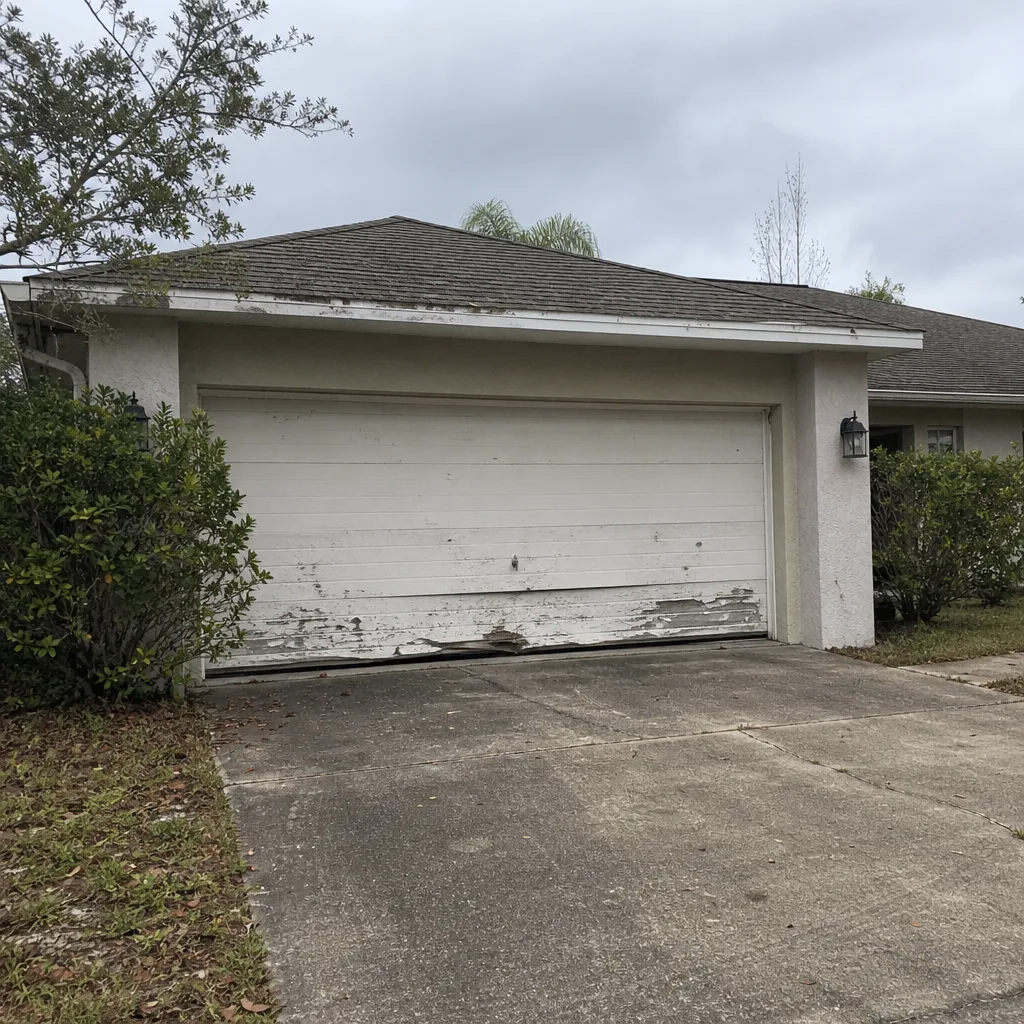 Before
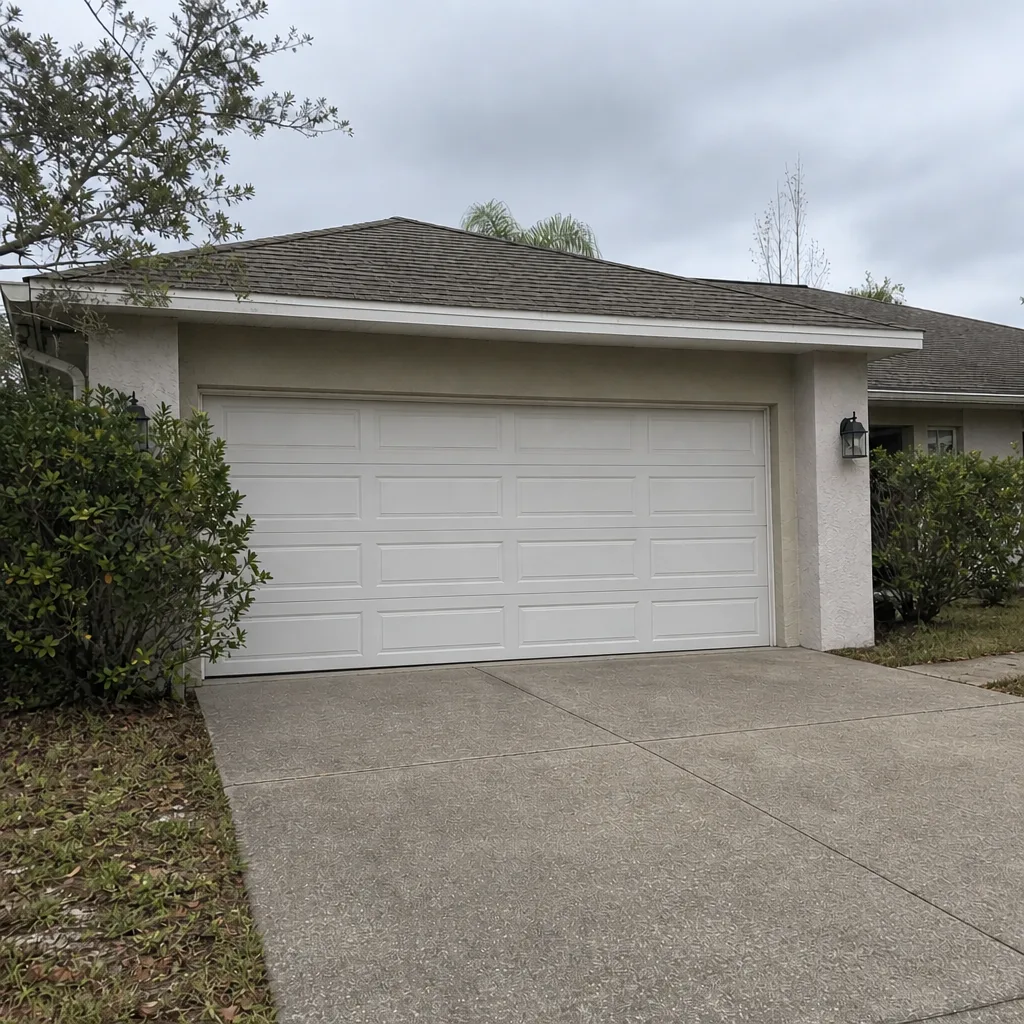 After
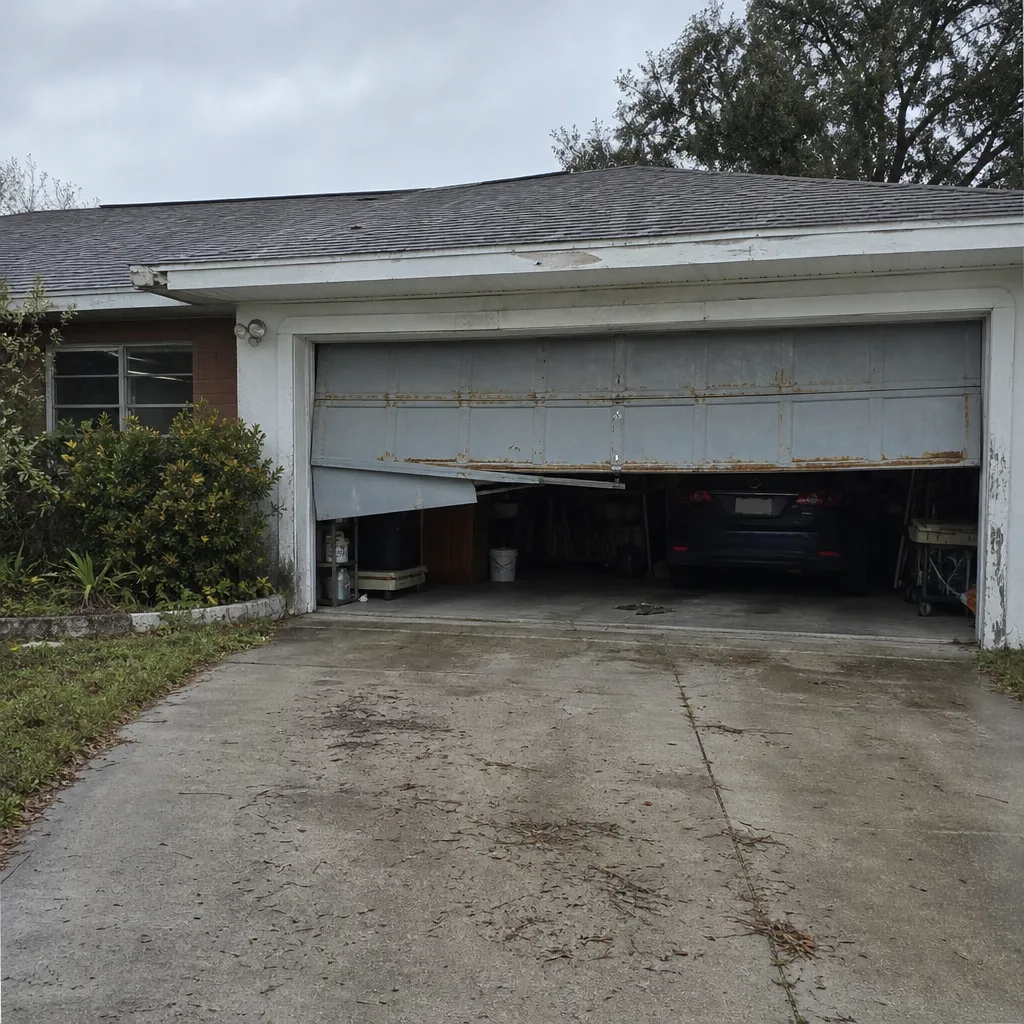 Before
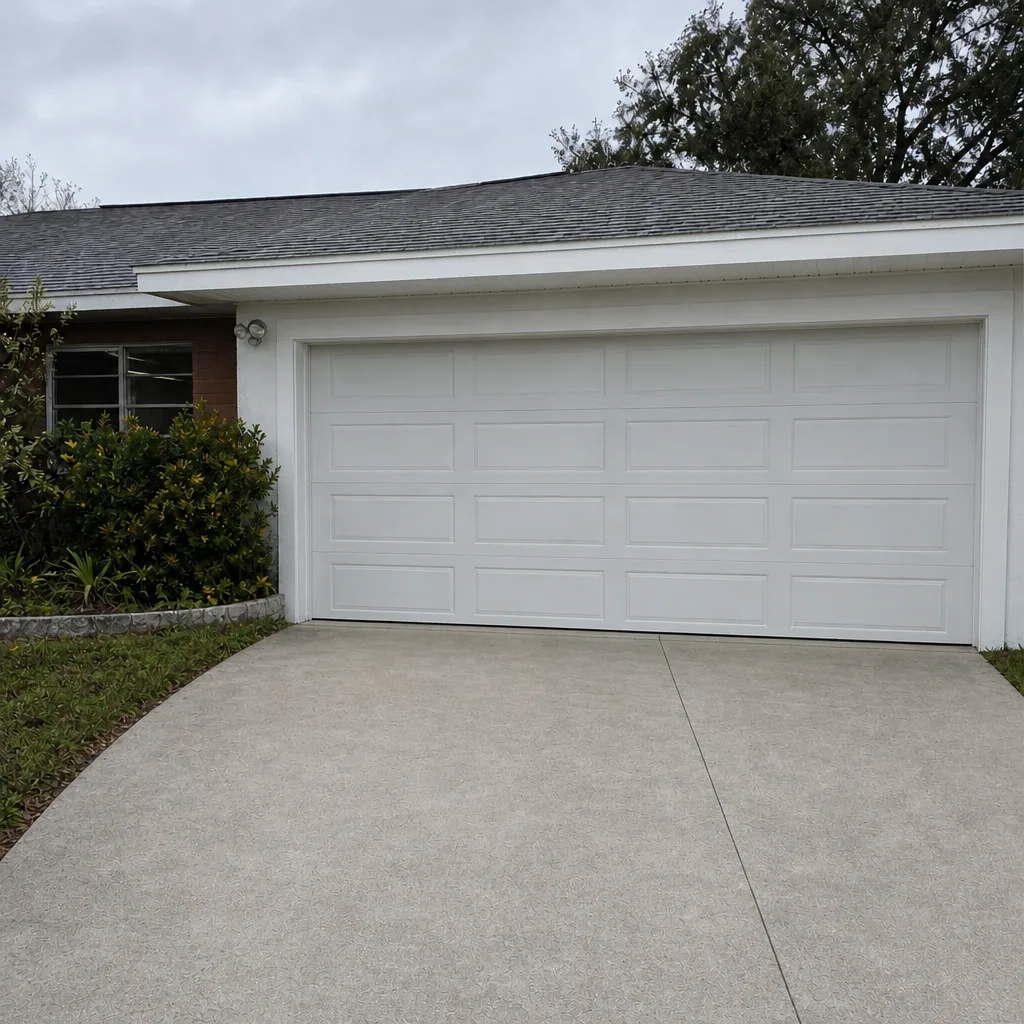 After
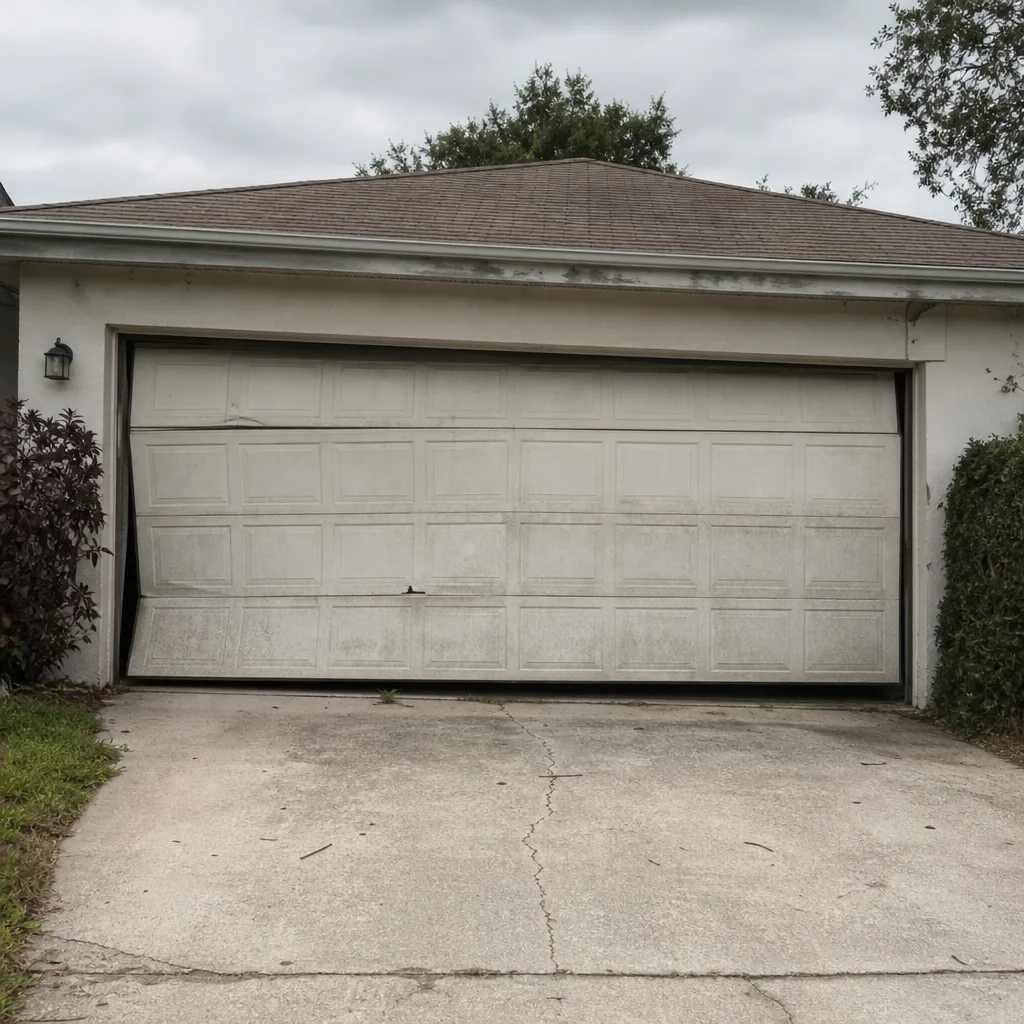 Before
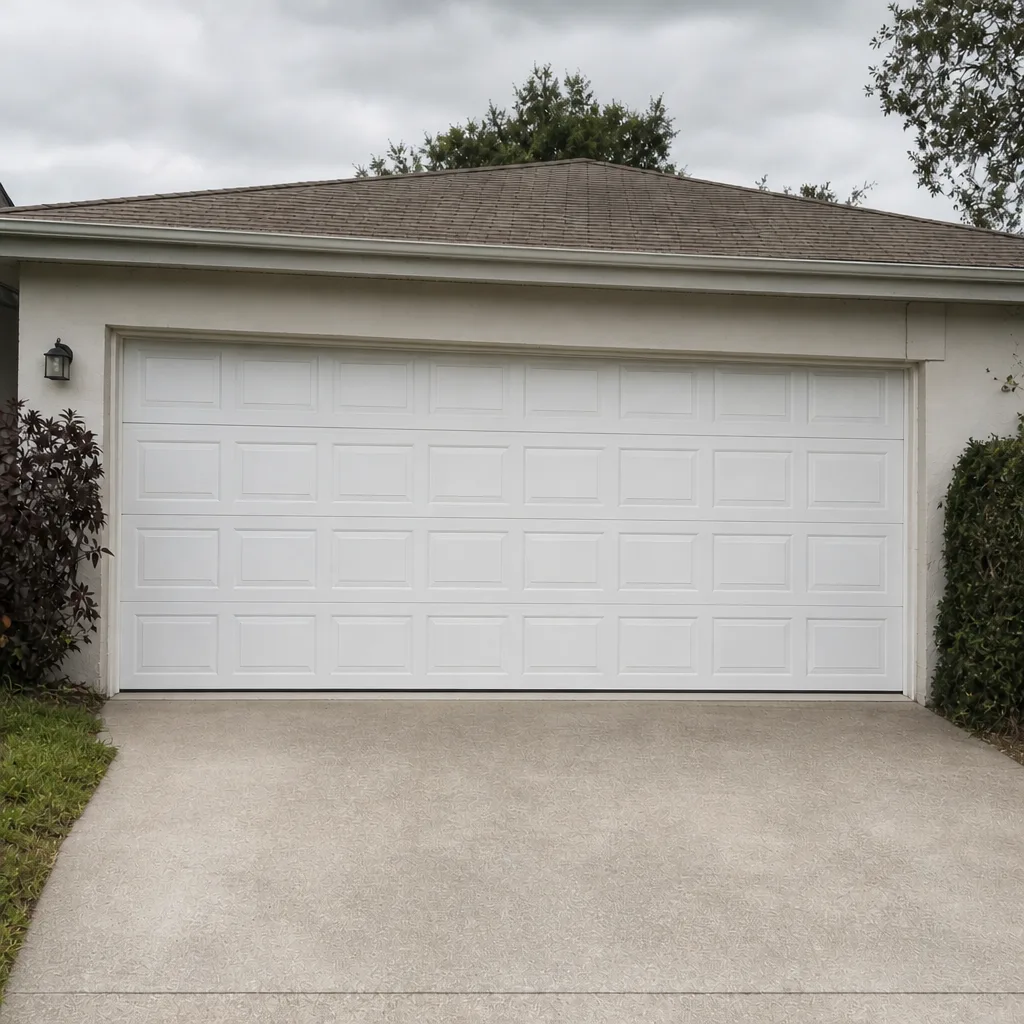 After