
Last updated November 21, 2026
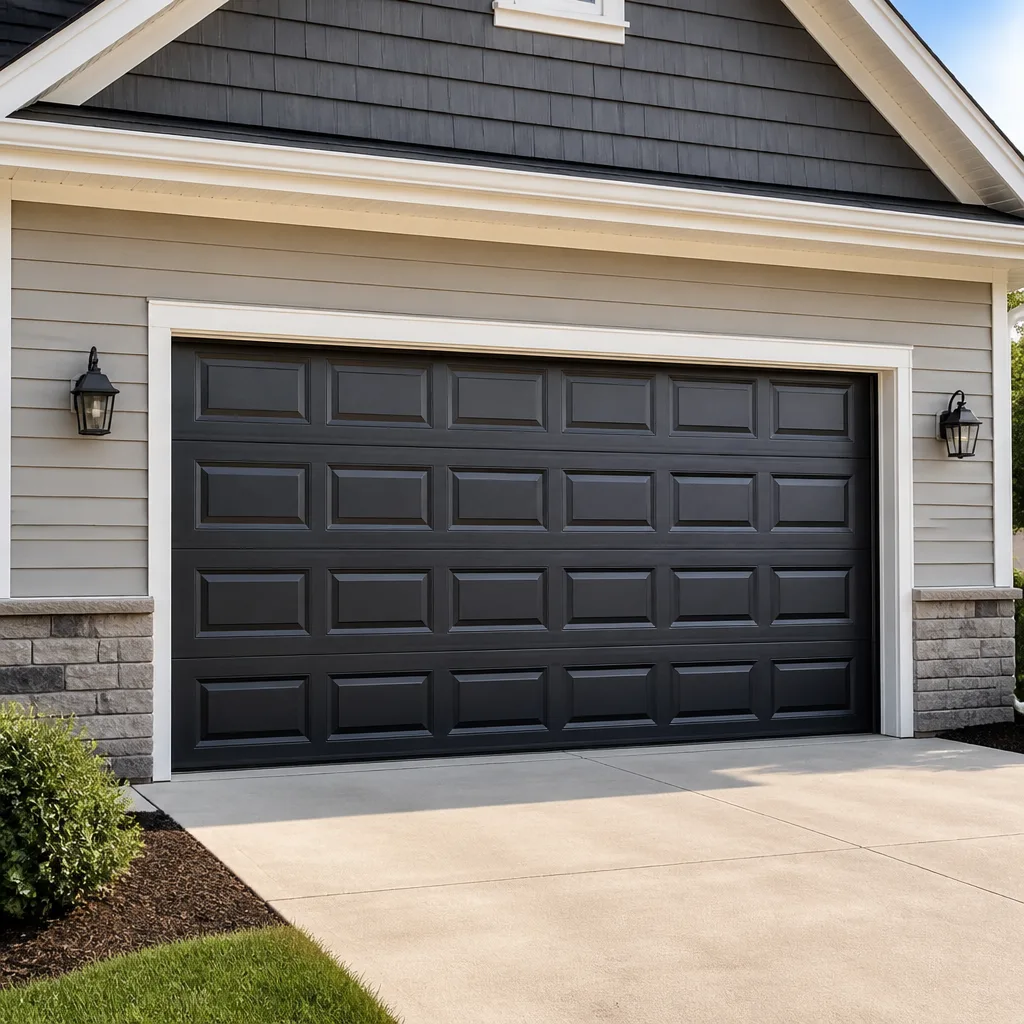 Raised-panel steel
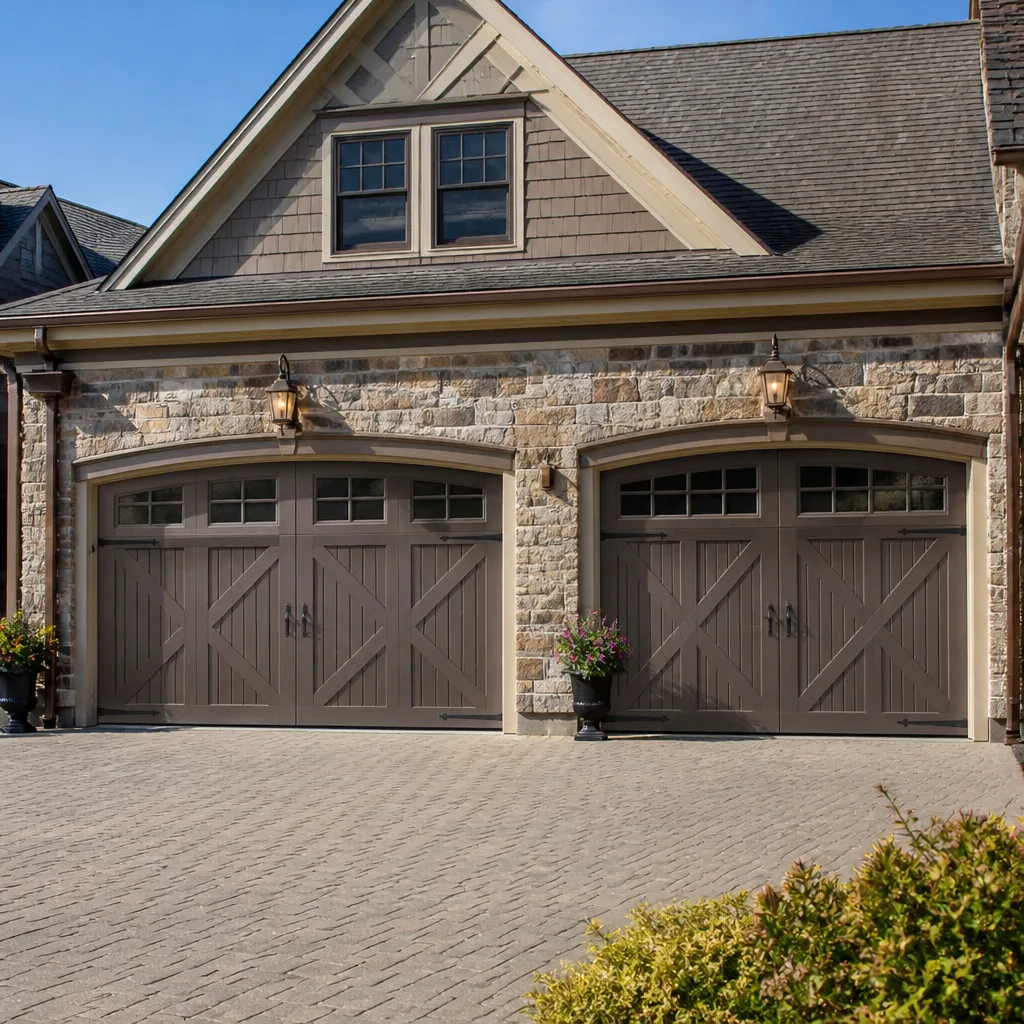 Carriage house
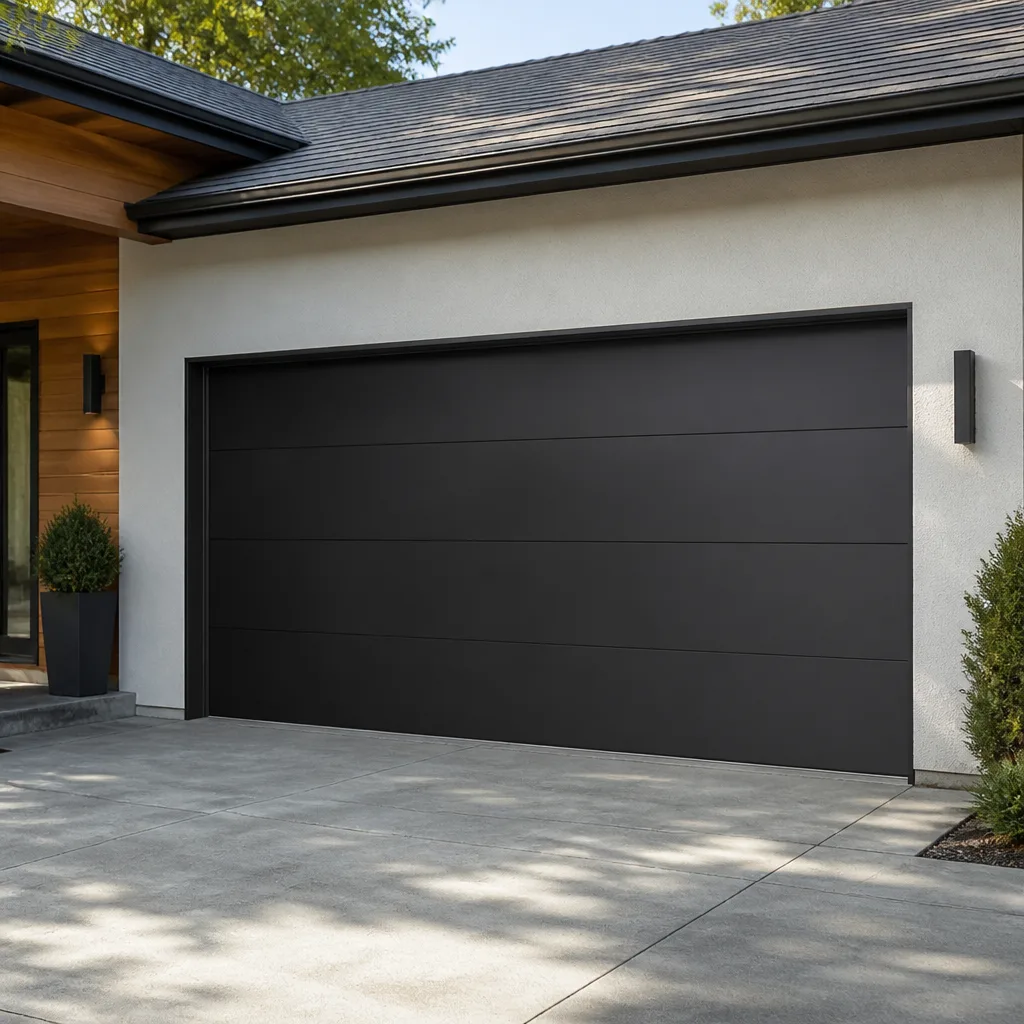 Modern flush
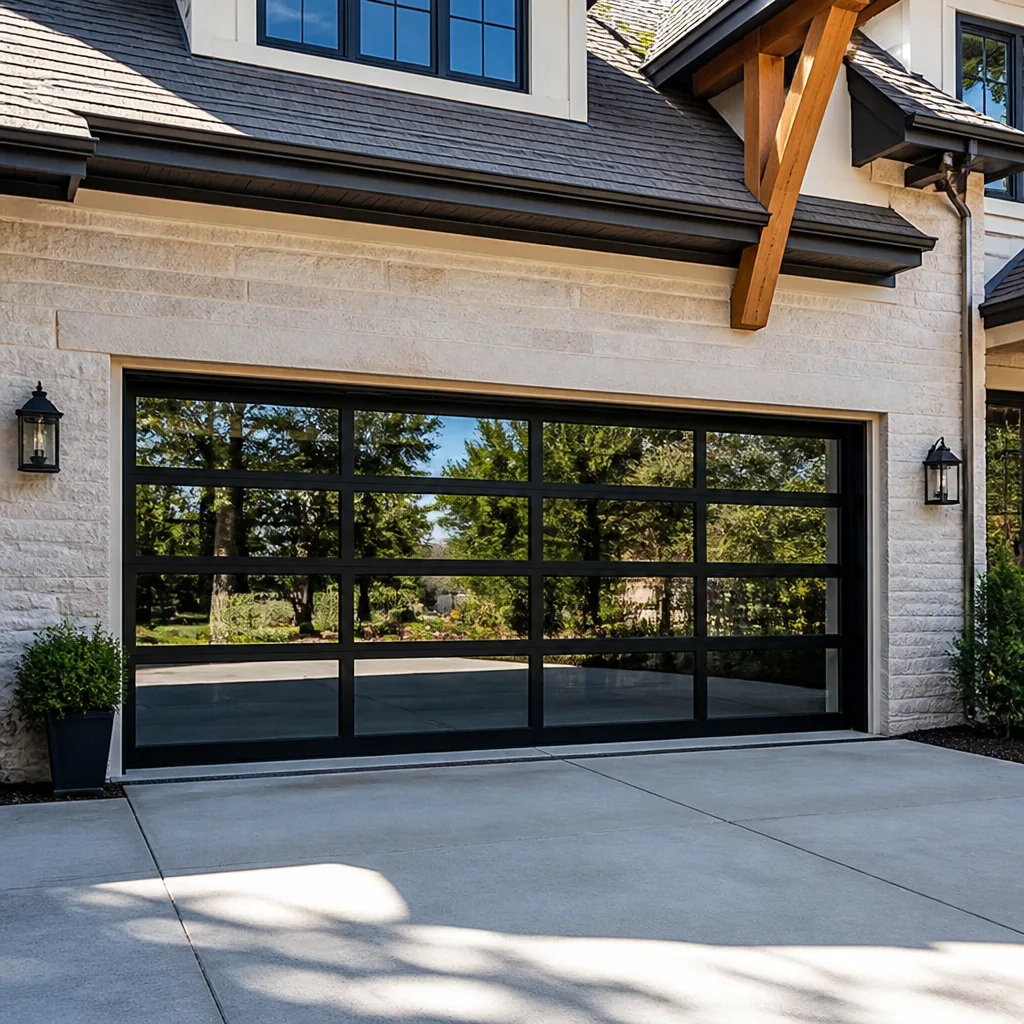 Full-view glass
 LiftMaster openers
 Chamberlain openers
Full 25-point door and opener safety check with every visit - springs, cables, rollers, tracks, and your LiftMaster or Chamberlain opener included
You get a price before we start. It does not change when the pro arrives.
Get your free estimateDIY vs Professional Garage Door: The North Port Homeowner’s Decision Guide
Torsion spring replacement isn’t a difficulty-level problem. It’s a physics problem. A single torsion spring stores enough energy to cause a fatality, and no video tutorial changes that math. The same gap applies to openers wired into a home’s electrical system and to installations that trigger permit requirements in Charlotte County. Most DIY-versus-pro advice treats this as a question of confidence. We treat it as a question of which tasks carry injury risk, code implications, or warranty consequences, and where those lines fall. In this guide, we draw those lines precisely for North Port homeowners, from the jobs you can safely handle yourself to the ones where amateur work becomes a liability instead of a savings.
Styles & brands we work with
- Raised-panel steel
- Carriage house
- Modern flush
- Full-view glass
- LiftMaster openers
- Chamberlain openers
Quick Answer
In North Port, DIY is safe and sensible for lubrication, sensor alignment, remote reprogramming, and visual inspections. Spring repair, cable work, opener electrical diagnostics, and new door installation should go to a trained garage door technician because those tasks carry serious injury risk or permit and warranty consequences. If your door won’t open, won’t close, or a spring has snapped, professional service is the right call every time.
Table of Contents
- Where DIY Ends and Professional Work Begins
- Tasks North Port Homeowners Can Safely Handle
- Why Spring and Cable Work Is Never a DIY Job
- Charlotte County Permits and Resale Liability
- How DIY Installation Voids Manufacturer Warranties
- DIY vs Professional Cost for North Port’s Five Most Common Repairs
- Why a Quick DIY Fix Can Cost More Later
- Common Mistakes to Avoid
- When to Call a Professional
- Frequently Asked Questions
- The Bottom Line
Where DIY Ends and Professional Work Begins
The DIY question for garage doors comes down to one rule: if the task puts stored mechanical energy or line voltage in your hands, it belongs to a trained technician. Everything else is fair game for a homeowner with a stepladder and an hour to spare. That split holds across every door type we see in North Port, from builder-grade steel panels to heavier insulated doors on newer construction.
Here’s how the line actually breaks down:
- Safe for DIY: lubricating hinges, rollers, and tracks; cleaning photo-eye sensors; realigning a sensor bracket that got bumped; reprogramming remotes and keypads; wiping down panels; checking the balance of a door by hand.
- Not safe for DIY: torsion spring replacement, extension spring replacement, cable replacement, drum and bearing plate work, bottom bracket removal, and panel replacement on a door under tension.
- Requires a technician: opener electrical diagnostics, circuit board replacement, limit and force adjustment on a unit that won’t close properly, and installation of any new door or opener.
The middle category is where most injuries happen. A homeowner who understands that springs store energy doesn’t necessarily understand that the cables and bottom brackets are part of the same tension system – and releasing one without controlling the other is how people get hurt. When in doubt, treat anything attached to the torsion bar or the lift cables as off-limits.
Weather plays a role in how often this comes up. North Port’s humidity and heat cycle door hardware through months of expansion and contraction, and that’s when springs fatigue and rollers start dragging. We hear from a lot of homeowners who noticed a noise, looked up a video, and got halfway into a repair before realizing the spring was still under load. That’s the moment to stop and call.
Tasks North Port Homeowners Can Safely Handle
Plenty of garage door maintenance is genuinely within reach for a careful homeowner, and doing it yourself saves money without risk. These are the jobs we walk North Port callers through on the phone rather than sending a technician out for.
- Lubricate the moving parts. A garage-door-rated lubricant on hinges, rollers, and the torsion bar bearings every few months keeps things quiet and reduces wear. Skip grease on the tracks themselves – it attracts grit.
- Clean and align the safety sensors. Wipe the lenses, check that both photo eyes face each other, and nudge a bracket back into position if it’s been bumped. The door won’t close if the beam is blocked, and misalignment is the most common cause.
- Reprogram remotes and keypads. Dead remotes and forgotten codes are usually a programming issue, not a hardware failure. Check the opener’s manual for the pairing sequence on your brand – Craftsman and LiftMaster units, for example, both use a learn button, but the sequence differs.
- Check the door’s balance. Disconnect the opener, lift the door halfway by hand, and let go. A balanced door stays put. A door that drifts down has a spring or tension problem that needs a technician.
- Inspect and tighten hardware. A visual pass for loose bolts, worn rollers, and frayed cables catches small problems early. If you spot a frayed cable, stop there and call.
- Keep the tracks clean. Wipe out dust and debris with a damp cloth. Never try to bend a track back into shape yourself – a misaligned track loads the whole door unevenly.
Small finish chips and surface rust on a steel door are a quick touch-up job at home, but left alone they can spread and weaken a panel. A wire brush and a rust-inhibiting paint on a dry day will hold a North Port door for years. That’s cosmetic work, and it’s yours to handle.
Why Spring and Cable Work Is Never a DIY Job
A torsion spring is a wound steel coil holding the full weight of the door under constant tension. When it fails or when it’s released incorrectly, it doesn’t just let go – it unloads with enough force to break bones or worse. Extension springs carry the same risk, and they add a failure mode: when they snap, the loose end whips toward whatever is in its path. That’s why modern extension springs are supposed to have a containment cable running through them, and why a spring without one is a problem worth fixing.
The tooling is the second reason. Spring replacement needs winding bars sized to the spring, a way to measure and match the wire gauge and inside diameter, and the knowledge to count turns precisely for your door’s height and weight. A door that’s wound wrong won’t balance, which overloads the opener and the cables. Even a door that works after a DIY spring swap can be running with dangerous tension and a shortened lifespan.
This is also the repair that gets mishandled most by generalists, not just homeowners. A handyman who “also does doors” may swap a spring without checking cable wear or drum condition, and the next failure comes from a part nobody looked at. Proper spring work means inspecting the whole lift system and replacing matched components together. That’s why we treat garage door spring repair as its own discipline rather than a line item on a general handyman list.
If you hear a loud bang from the garage and the door won’t lift, stop. Don’t try to force it, and don’t try to diagnose it with the door under tension. Call a technician.
Charlotte County Permits and Resale Liability
Replacing a garage door in North Port often requires a permit, and that’s where DIY installation gets expensive in ways homeowners don’t anticipate. The permit requirement isn’t about the difficulty of the work – it’s about structural attachment, wind rating, and inspection. A garage door is a large opening in the building envelope, and how it’s anchored to the framing matters for the whole structure.
Most cities require a permit for garage door replacement, and North Port is no exception in most cases. The exact requirements depend on your home, the door, and the scope of work, so the right move is to ask the city’s building department directly before any installation starts. They’ll tell you whether your project needs a permit and what inspection it requires.
Here’s the resale problem. An unpermitted garage door installation can surface during a home inspection or a title search when you sell, and it can hold up a closing while the buyer’s agent asks for documentation. In some cases the fix is a retroactive permit and inspection, which means opening up finished work. In others, the door has to come out and go back in correctly. Either way, the savings from skipping the permit disappear, and then some.
A professional installation includes the permit process as part of the job. That’s a large part of why the professional price looks higher on paper – it’s covering the paperwork, the inspection, and the accountability that comes with a permitted job. For a North Port homeowner planning to stay in the house, it’s also the difference between a door that’s documented as correct and one that isn’t.
How DIY Installation Voids Manufacturer Warranties
Garage door manufacturers build their warranties around professional installation, and the structure matters more than most homeowners realize. Most major brands split coverage between the door sections, the hardware, and the finish, and the installation warranty – the part that covers labor and adjustment – generally requires an authorized or qualified installer. Install the door yourself and the hardware and finish coverage may survive, but the installation and labor protection is typically gone.
The brands we work with most in North Port structure it similarly. Clopay, Amarr, and Wayne Dalton all publish warranty terms that assume professional installation for full coverage, and each has its own definitions of what counts. Craftsman openers follow the same pattern: the motor may carry a long warranty, but if a DIY wiring mistake damages the logic board, that’s not a defect the warranty covers.
What this means in practice:
- If a professionally installed door develops a hardware defect, the brand covers the part and the installer covers the labor.
- If a DIY-installed door develops the same defect, you’re usually covering both.
- If a DIY installation causes the failure – wrong spring tension, wrong track alignment, wrong anchor – no warranty applies at all, because the failure traces back to installation, not the product.
When we install a door, we read the brand’s warranty terms first and set the job up to preserve coverage. That’s part of what “factory-familiar” means in practice: knowing how Clopay, Amarr, Wayne Dalton, and the rest define a covered installation before the first bracket goes on the wall.
DIY vs Professional Cost for North Port’s Five Most Common Repairs
The cost comparison only works if you count everything – parts, tools, time, and the risk of a second repair. Here’s how the five most common North Port garage door jobs break down. All professional figures are typical estimates; the written estimate sets the final price.
- Broken torsion spring (one spring): DIY parts run roughly $40-$90 for the spring, plus $25-$50 for winding bars you’ll likely use once. Professional repair typically runs $180-$340 for one spring, including inspection of cables and drums. A matched pair is usually replaced together, so a pair runs about twice the single-spring range. The DIY savings look real until you factor the injury risk and the odds of a mis-wound door.
- Opener not responding: DIY starts with a $15-$30 remote or a $5 sensor bracket. If the problem is the logic board or the drive gear, parts run $60-$150 and the diagnosis is the hard part. Professional garage door opener repair typically runs $120-$280 depending on the failure. Most homeowners spend the DIY money first and pay for the repair anyway.
- Door off track: There’s no safe DIY version of this. A door off its track is a door under load in the wrong position. Professional realignment typically runs $150-$300, and forcing it back yourself can bend panels and turn a track repair into a panel replacement.
- Snapped cable: DIY cable kits exist and shouldn’t. The cable is part of the tension system, and releasing it without controlling the spring is the injury scenario. Professional cable replacement typically runs $150-$280, usually paired with a spring inspection.
- New door installation: DIY on a full door means sourcing the door, the tracks, the hardware, the springs, and the permit, then finding help to lift panels safely. Professional installation typically runs $900-$2,200 depending on door size, insulation, and hardware, and includes the permit and inspection in most cases.
Notice the pattern. The DIY column looks cheaper on parts alone, but the professional column includes diagnosis, matched components, permit handling, and warranty protection. For lubrication and sensor work, DIY wins clearly. For everything involving springs, cables, openers, or a full door, the professional estimate is the cheaper number once you count what a second repair costs.
Why a Quick DIY Fix Can Cost More Later
A garage door is a system, and every part affects the load on the others. When one component is repaired in isolation – or repaired wrong – the stress moves somewhere else. That’s the hidden cost of the quick DIY fix, and it’s the reason we see doors in North Port where three parts have failed in sequence over a year.
Here’s how the chain usually runs. A homeowner replaces one torsion spring on a two-spring door instead of the matched pair. The new spring carries more of the load, the older spring fatigues faster, and it fails within months. Or a homeowner adjusts the opener’s force setting to compensate for a door that’s binding instead of fixing the bind. The opener now strains every cycle, the drive gear wears, and the opener fails – and the original bind is still there, waiting for the new opener.
Or a homeowner forces a door back onto its track after it jumped. The panels bend slightly, the door no longer sits square, and the cables start wearing on one side. Six months later the cable snaps. Each repair was cheaper than the correct fix; the total wasn’t.
Who bears that cost? The homeowner, every time. Warranty coverage doesn’t apply to damage caused by an incorrect repair, and a technician called to fix the second failure has to explain why the first one set it up. We’d rather tell a North Port homeowner “this needs a technician” up front than diagnose a chain of failures a year later. If you’re not sure whether your fix is in the safe zone, call and describe it. We’ll tell you honestly whether it’s a DIY job.
Common Mistakes to Avoid
- Replacing one spring when both are worn. Springs on a two-spring door wear at the same rate. Replacing one leaves the door unbalanced and puts the full load on the older spring, which usually fails within months. Replace the pair.
- Adjusting opener force to hide a binding door. Turning up the force setting makes the door move, but it doesn’t fix the bind. It just transfers the strain to the opener’s gears and the door’s hardware until something breaks.
- Greasing the tracks. Track grease collects grit and dust, and North Port’s air carries plenty of both. Clean the tracks dry and lubricate the moving parts – rollers, hinges, bearings – not the rails.
- Disconnecting the safety sensors to make the door close. Bypassing the photo eyes is a serious safety hazard, especially in a home with kids or pets. Fix the sensor, don’t defeat it.
- Installing a door without checking the permit requirement. Skipping the permit saves a little now and creates a documentation problem at resale. Ask the city’s building department before the door comes off the wall.
- Forcing a door that’s off track. A door that jumped the track is under load in the wrong position. Pushing it back bends panels and can release tension unpredictably. Stop and call.
- Winding a spring without counting turns. A spring wound to the wrong count won’t balance the door, and an unbalanced door overworks the opener and cables from day one. This is the mistake that turns a spring repair into a full lift system rebuild.
When to Call a Professional
Call a technician for any of these: a snapped or visibly stretched spring, a frayed or snapped cable, a door that’s off its track or stuck halfway, an opener that trips the breaker or smells like burning, a door that reverses for no reason, a dented or cracked panel that’s affecting how the door tracks, and any installation or replacement. These are the jobs where the risk and the cost of getting it wrong both climb fast.
If your door is stuck open, that’s a security issue as much as a mechanical one – a North Port home with an open garage is an open invitation. If it’s stuck closed, your vehicle is trapped and the door’s under load. Either way, waiting isn’t the answer. Call (877) 600-5101. We answer 24/7, and fast dispatch runs from 7am to 7pm, Sunday through Friday.
For the repairs that don’t need a same-day visit, we still quote before anything starts. North Port Garage Door Repair Co offers free estimates in North Port – call (877) 600-5101 and we’ll give you a written price before any work begins. If it turns out to be a sensor alignment or a remote pairing issue, we’ll tell you that too, and you can handle it yourself.
Frequently Asked Questions
No. Torsion and extension springs store enough energy to cause serious injury or death, and replacing them safely requires specific tools and training. The spring is also part of a tension system that includes the cables and bottom brackets, so a spring swap done without inspecting the rest of the system can leave the door dangerously unbalanced. Call (877) 600-5101 for an exact quote – estimates are free.
Most cities require a permit for garage door replacement, including North Port in most cases, but the requirement depends on your home and the scope of work. Ask the city’s building department directly before any installation. A permitted job protects you at resale, and a professional installer handles the paperwork as part of the estimate.
It usually voids the installation and labor portion of the warranty, and it can void hardware coverage if a failure traces back to installation. Brands like Clopay, Amarr, and Wayne Dalton all structure their warranties around professional installation. Read your door’s specific warranty terms before you decide, because the details vary by brand and product line.
Lubrication, sensor cleaning and alignment, remote and keypad reprogramming, tightening loose hardware, cleaning the tracks, and a visual inspection are all safe DIY tasks. Anything involving springs, cables, drums, bottom brackets, opener wiring, or panel replacement needs a technician. If you’re unsure which side of the line your repair falls on, call and describe it – we’ll tell you straight.
Typical estimates run $120-$280 for opener repair, $180-$340 for a single spring replacement, and $150-$300 for track realignment, with the written estimate setting the final price. New door installation typically runs $900-$2,200 depending on size, insulation, and hardware. Call (877) 600-5101 for an exact quote – estimates are free.
Yes, for urgent repairs like a snapped spring or a dead opener, same-day service is often available. We answer 24/7, and fast dispatch runs from 7am to 7pm, Sunday through Friday. We’re closed Saturday; a call outside dispatch hours is booked into the next opening, Sunday through Friday, 7am to 7pm.
The Bottom Line
The DIY-versus-professional question for garage doors isn’t about your skill level. It’s about which tasks carry stored energy, line voltage, permit requirements, or warranty consequences. Lubrication, sensors, and remotes are yours. Springs, cables, opener diagnostics, and installation are not. The savings from a DIY spring or a self-installed door disappear the first time a part fails from incorrect installation, and the risks that come with it don’t. Our technicians at North Port Garage Door Repair Co have up to 11 years of experience, and we service Clopay, Amarr, Wayne Dalton, Craftsman, and the other major brands on North Port doors. If you’re not sure where your repair falls, garage door repair starts with a phone call and a free estimate.
Your garage door is all we do – which means we do it right. Whether it’s a snapped spring, a failing opener, or a full replacement, we have the parts and the experience. When your door won’t move, waiting isn’t an option. For a wider view of everything we handle, visit North Port Garage Door Repair Co.
Call (877) 600-5101 for a free estimate. We answer 24/7. Fast dispatch from 7am to 7pm, Sunday through Friday.
Written by the team at North Port Garage Door Repair Co.
See the difference
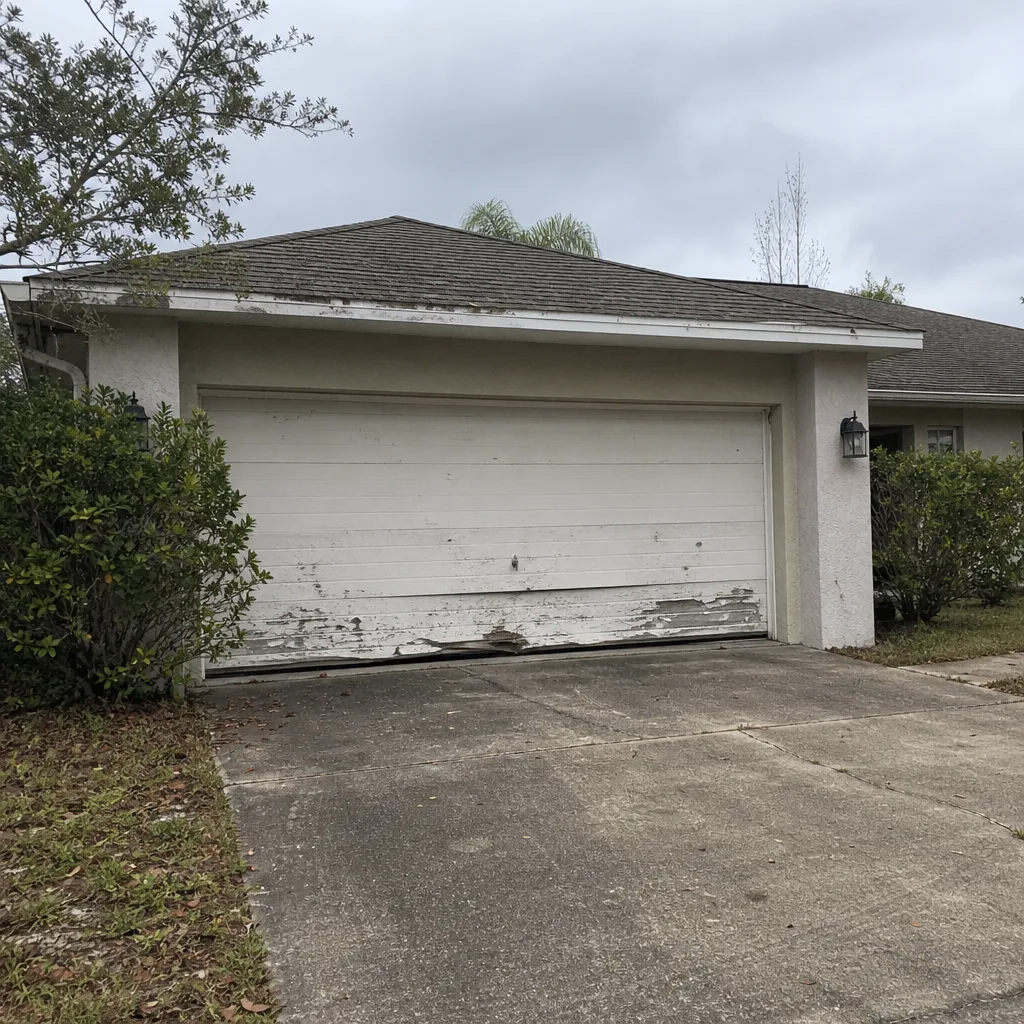 Before
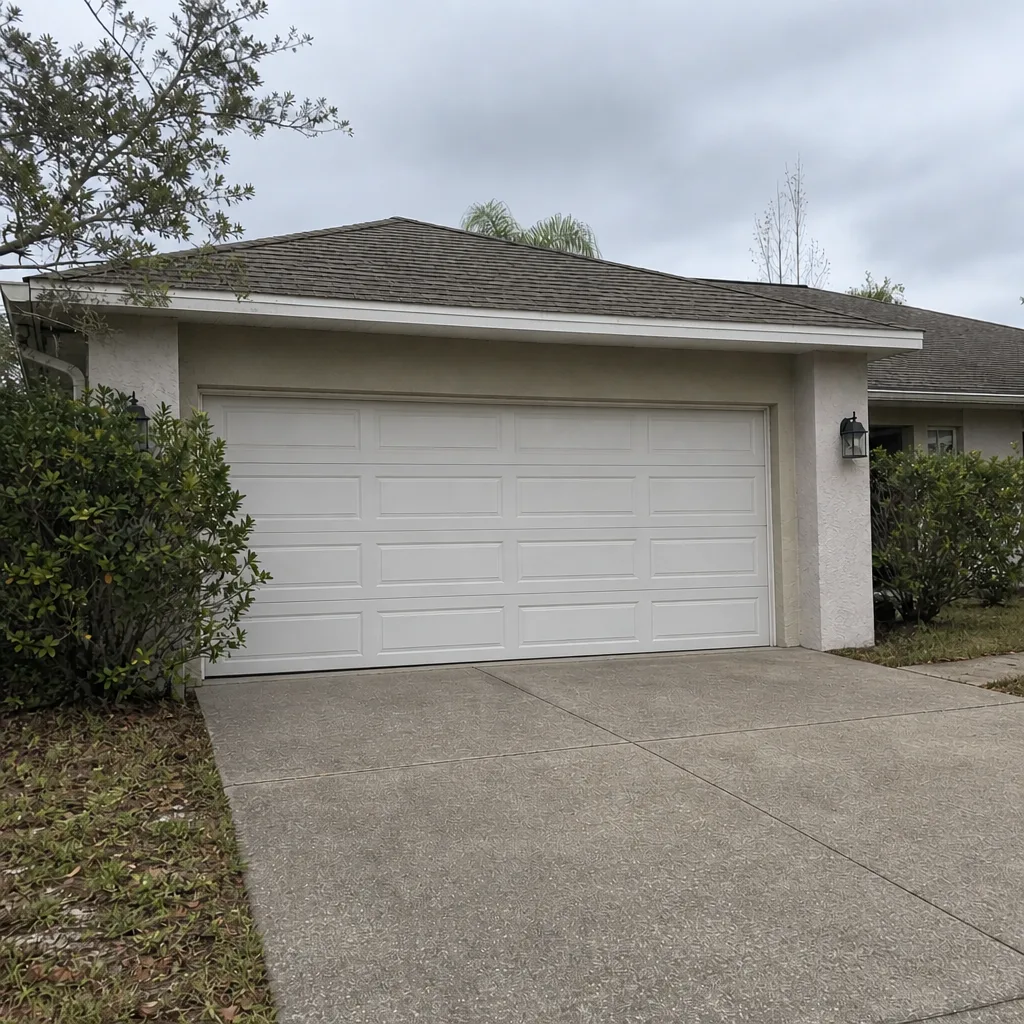 After
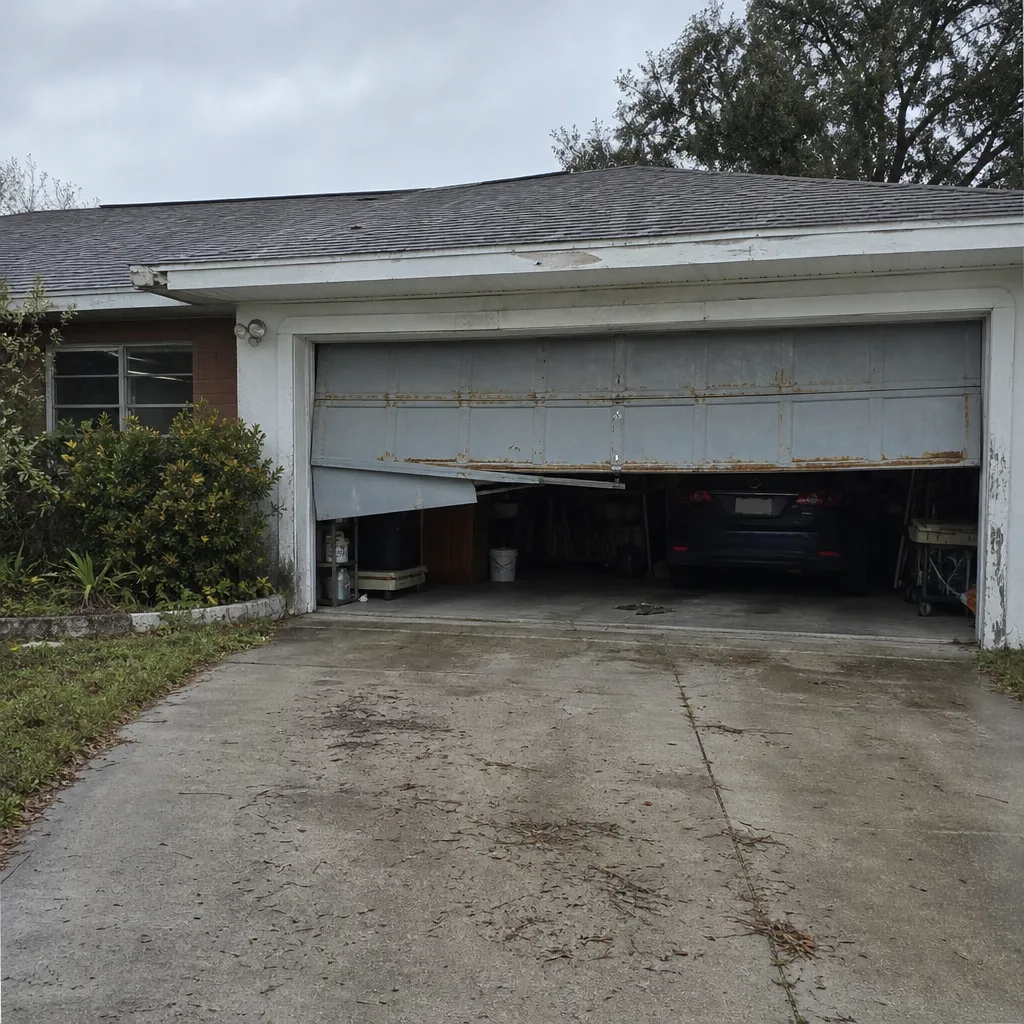 Before
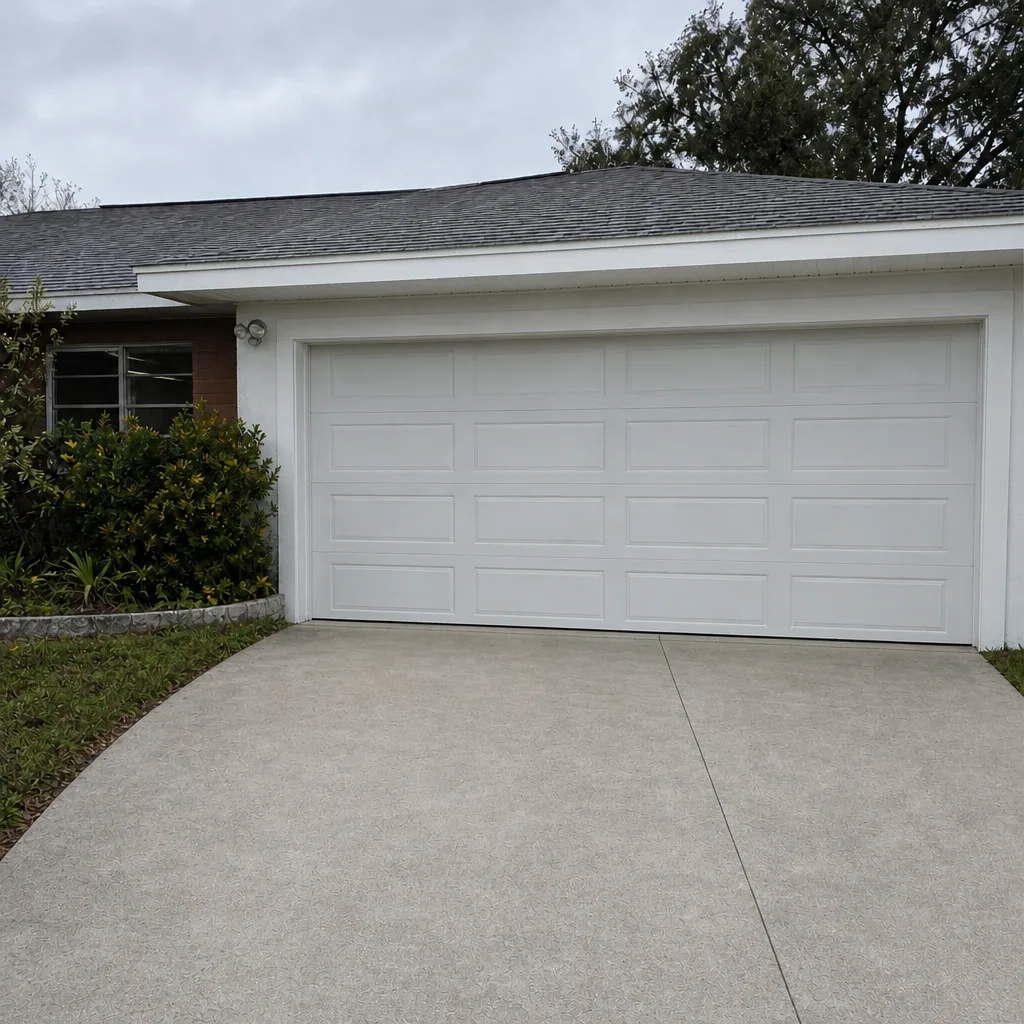 After
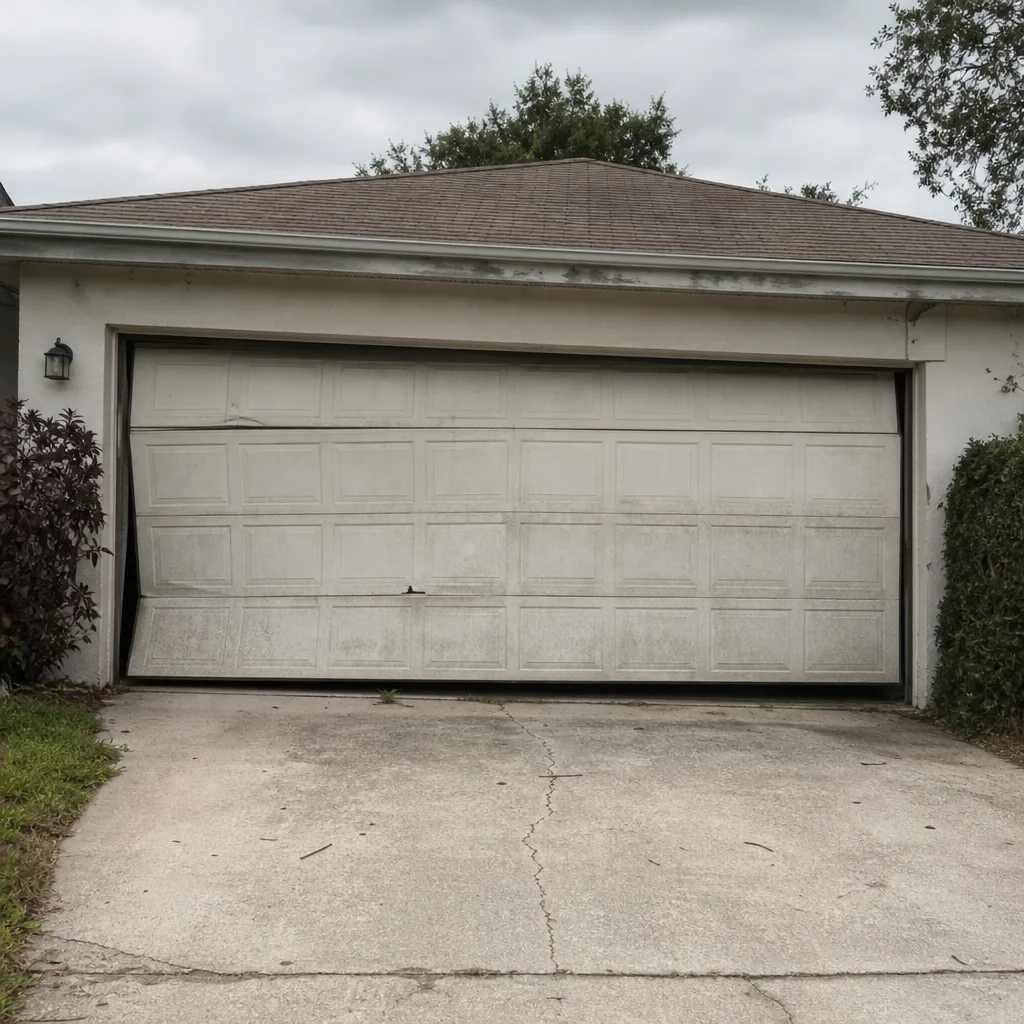 Before
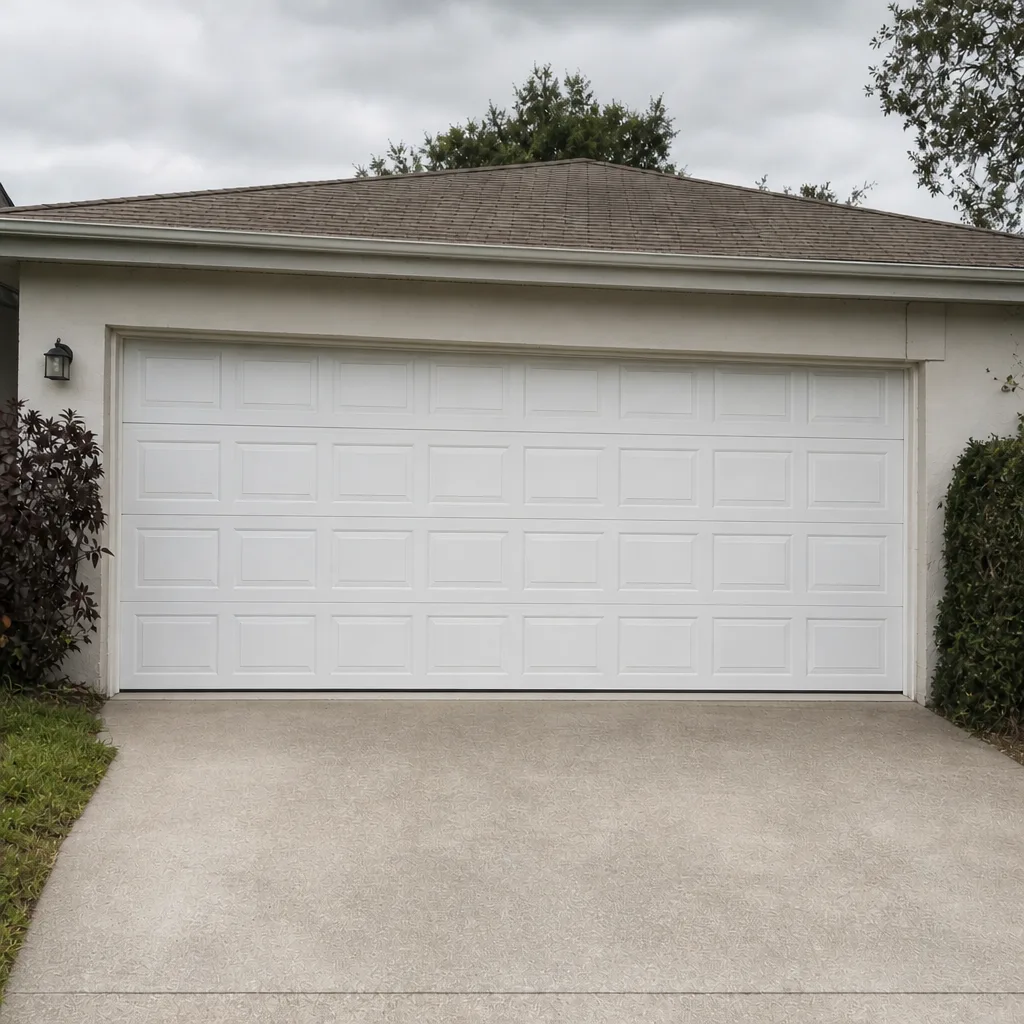 After