
Last updated November 21, 2026
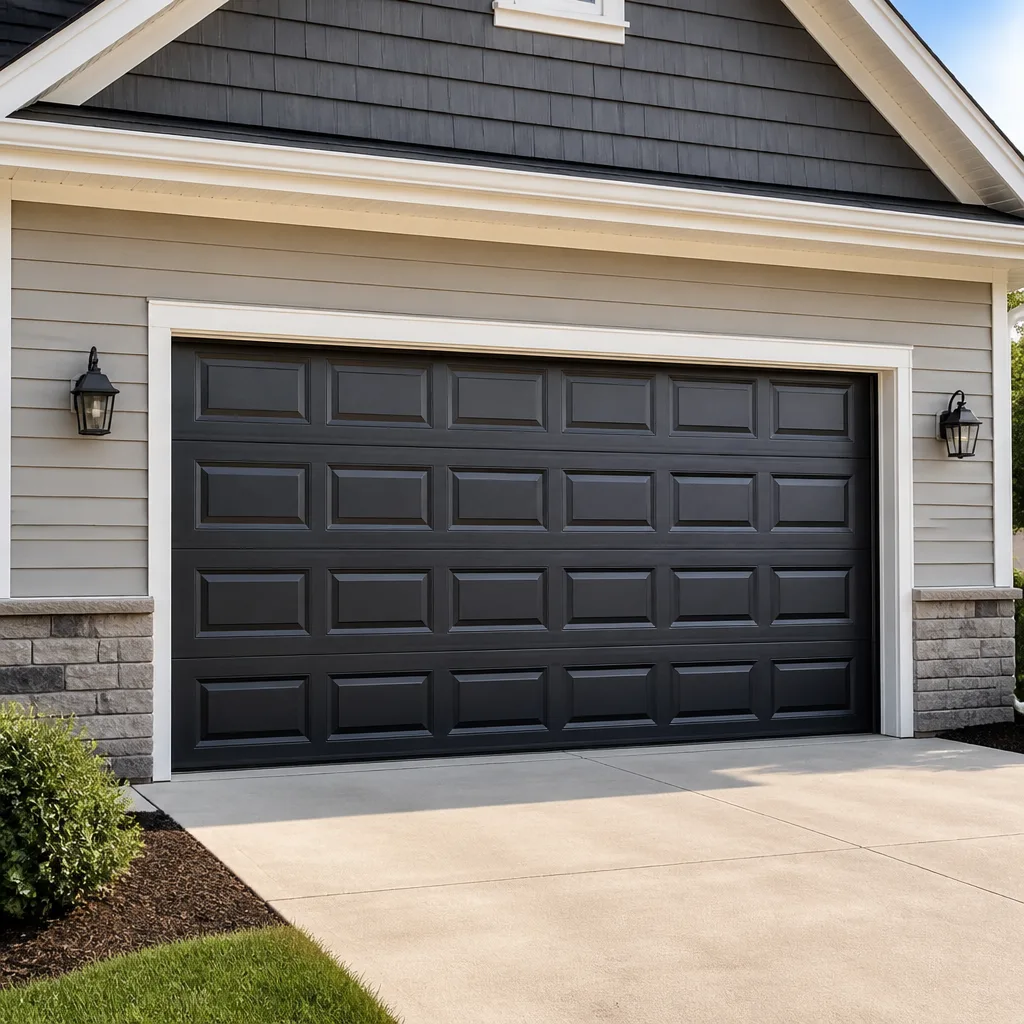 Raised-panel steel
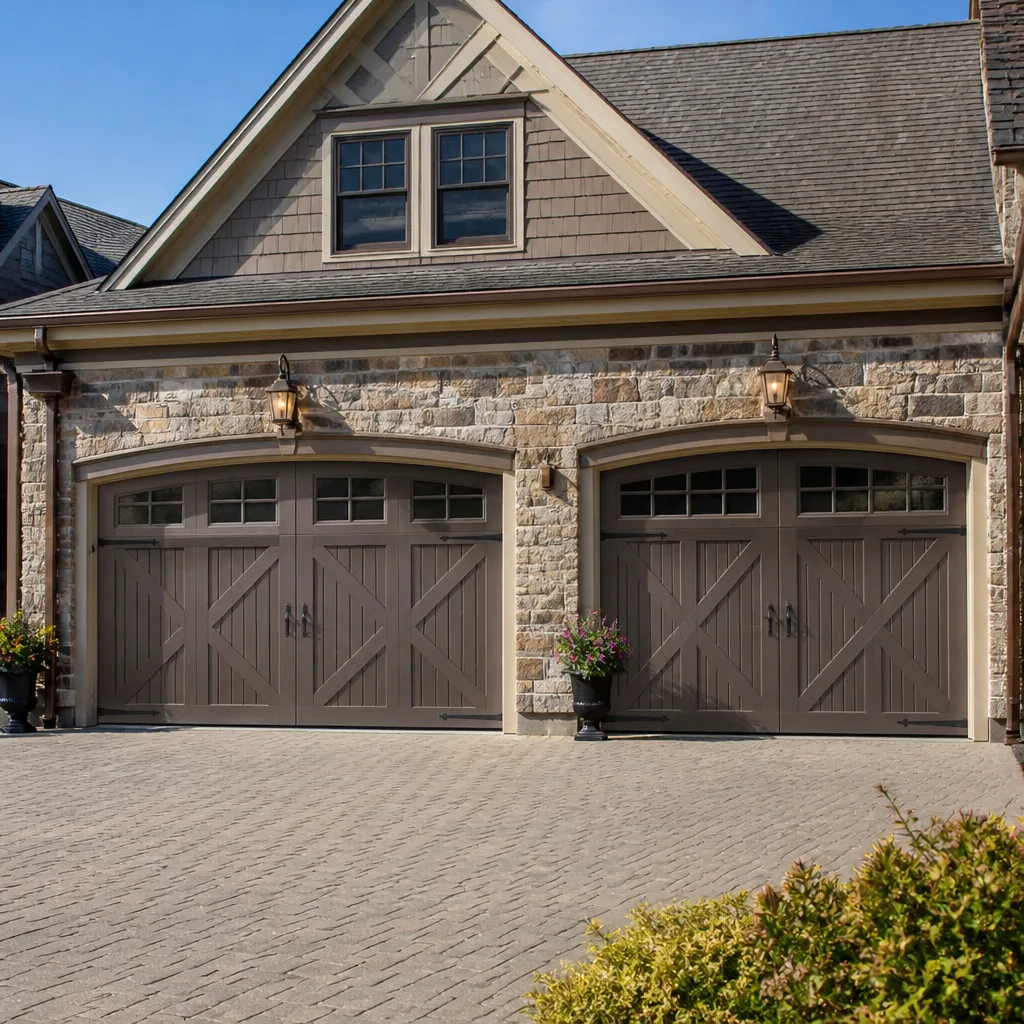 Carriage house
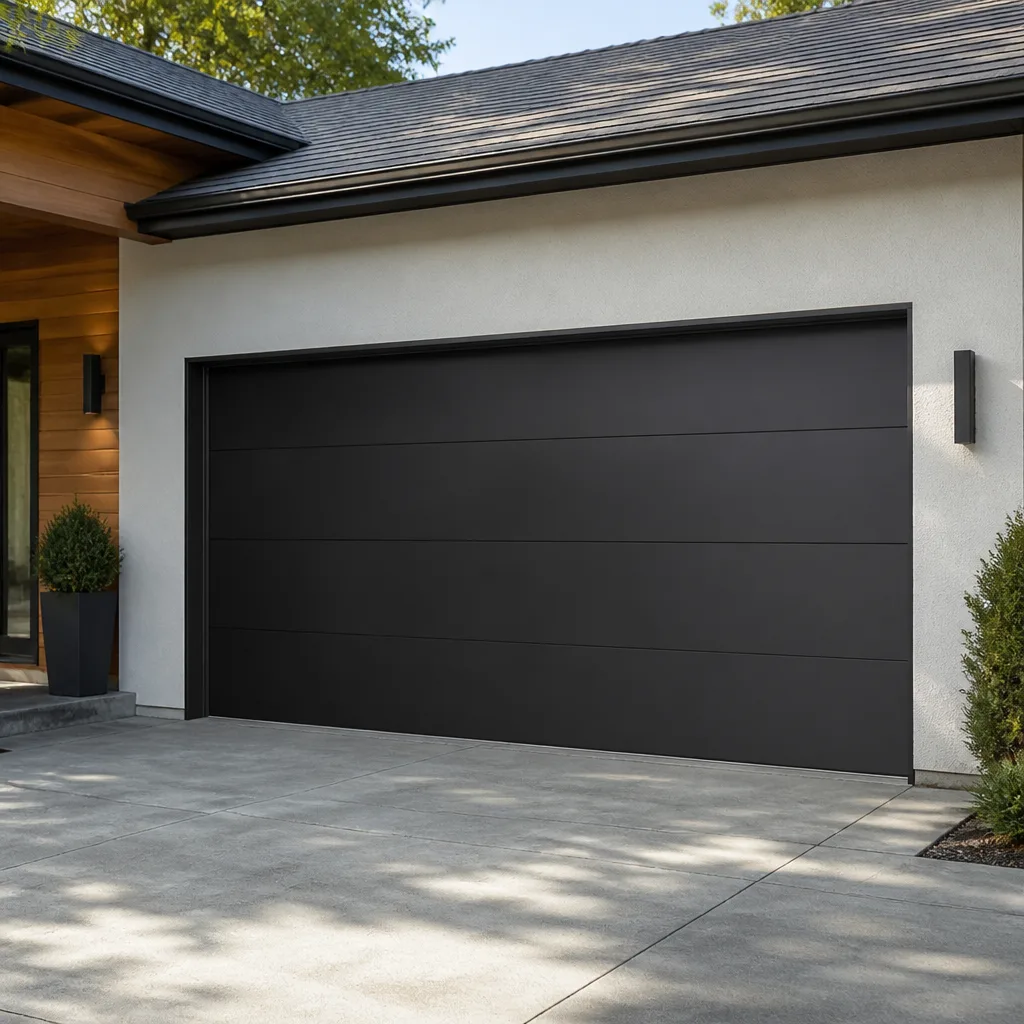 Modern flush
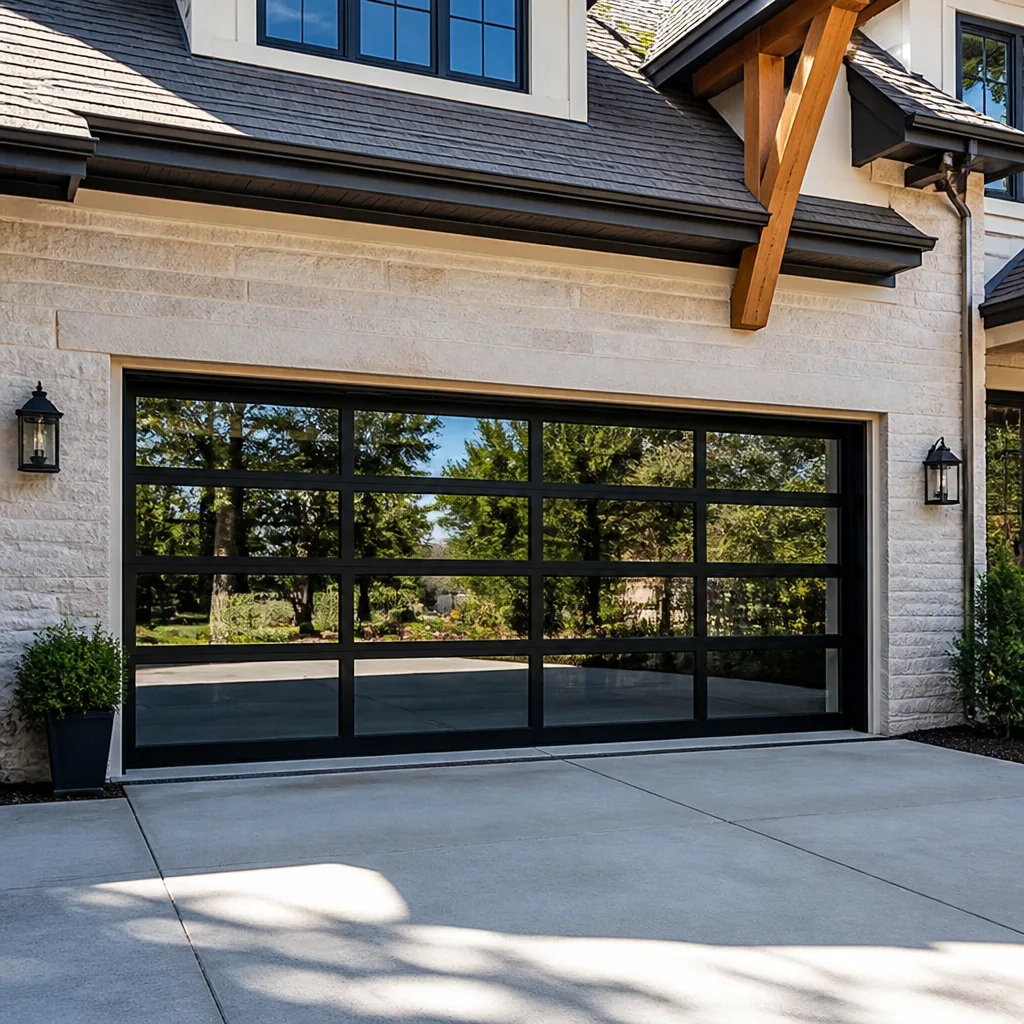 Full-view glass
 LiftMaster openers
 Chamberlain openers
Full 25-point door and opener safety check with every visit - springs, cables, rollers, tracks, and your LiftMaster or Chamberlain opener included
You get a price before we start. It does not change when the pro arrives.
Get your free estimateGarage Door Permits, Codes & Inspections in North Port, FL: What You Need to Know
Most homeowners in North Port assume a new garage door is a simple swap: the old one comes out, the new one goes in, and nobody from the city needs to get involved. That assumption is where the trouble starts. In Charlotte County, a garage door replacement can cross into permitted work depending on what’s changing, and a door that goes in without the paperwork leaves a gap in your property record that tends to surface during a home sale or an insurance claim rather than on the day of installation. This guide walks through when a permit is actually required here, what the inspector looks for on a wind-load-compliant door, how a Florida Product Approval number works, and what to do if you’ve already got a door that was installed without one.
Quick Answer
A garage door replacement in North Port usually needs a permit when the door’s size, wind-load rating, or structural attachment changes, or when the opening itself is modified. A true like-for-like swap of an identical, already-permitted door can sometimes be handled as a non-structural replacement, but you or your installer should confirm the threshold with Charlotte County’s building department before work begins. If a permitted door is required and skipped, the door can create problems at resale and, in some cases, with an insurance claim. The written permit record is what protects you.
Styles & brands we work with
- Raised-panel steel
- Carriage house
- Modern flush
- Full-view glass
- LiftMaster openers
- Chamberlain openers
Table of Contents
- When does a garage door replacement need a permit in North Port?
- What Florida Building Code wind-load compliance actually means for your door
- Florida Product Approval numbers: what they are and why installers must cite them
- What the inspection actually checks, step by step
- Already installed a door without a permit? How to fix it
- When North Port HOA rules collide with wind-load compliance
- Practical realities of getting a garage door permitted in North Port
- What permits and inspections cost, and how long they take
When does a garage door replacement need a permit in North Port?
The threshold comes down to whether the work is a true like-for-like replacement or something that changes the door’s physical or structural characteristics. Charlotte County’s building department is the authority here, and the honest answer is that the line isn’t always obvious from the homeowner’s side of the transaction. What matters is matching the new door to the old door’s approved specifications.
The general rule in this part of Florida is that you’re in permitted territory when any of the following is true:
- The door size changes. A different width or height changes the header load and the required wind-load rating.
- The door model’s wind-load rating is different from the one on record. If the current door has an approved design pressure rating and the new one is higher or lower, an inspector needs to see the paperwork.
- The track or header attachment changes. New mounting points, a different bracket pattern, or structural reinforcement all pull the job into structural review.
- The opening itself is modified. Widening, raising the header, or changing framing is squarely a permitted job.
- An unpermitted door is already there and being replaced. If the door on record has no permit history, the replacement is the moment to correct it.
A clean like-for-like replacement, where the new door matches the old door’s size, material class, and product approval exactly, is the scenario most likely to qualify for a non-permitted swap. Even then, we recommend calling the county to confirm before you or your installer order anything. It costs nothing to ask and saves real trouble later. For a full garage door repair involving a single component, permits generally don’t enter the picture at all, since you’re not changing the door’s structural characteristics.
One thing that trips up homeowners in North Port: the local builder market has put up a lot of homes with a lot of garage doors, and not every replacement was permitted. If you’ve bought a resale home, don’t assume the record is clean. Pull the permit history on the address before you buy or sell. In our experience, the doors that cause the biggest headaches at closing are the ones installed by a previous owner who didn’t know a permit was required in the first place.
What Florida Building Code wind-load compliance actually means for your door
A wind-load rating is not a label. It’s a tested engineering claim about how much pressure a specific door, at a specific size, held in a specific mount, can survive without failing. Florida Building Code requires garage doors to meet a design pressure rating tied to the building’s location and configuration, and the door you’re installing has to carry a rating that meets or exceeds that requirement.
What this means for a North Port homeowner is that the door itself is only half the equation. The other half is how it’s attached. A door with an impressive rating sheet can still fail an inspection if it’s mounted in a way that doesn’t match the installation instructions and approved mounting details. That’s why the inspector wants to see three things match:
- The approved product approval number on the door’s spec sheet (more on that below).
- The door’s dimensions and configuration as tested, matching what’s actually in the opening.
- The attachment method: track, brackets, header reinforcement, and anchor spacing, matching the instruction sheet for that specific approved product.
If those three things line up, the inspection is usually straightforward. If any one is off, the inspector has to reject the installation, which means either a correction on the door or a documented justification filed with the county. That’s a delay nobody wants.
We’ve seen this in North Port when a homeowner finds a great price on a door online and the installer mounts it without checking the approved mounting details for that model. The door works fine. It’s the paperwork trail that doesn’t. When you buy a door through a specialist who services brands like LiftMaster and Raynor, the spec sheets arrive with the door and the installation details are pulled from the manufacturer’s instructions, not from memory. For a full garage door installation, that paperwork discipline is most of the difference between a clean inspection and a redo.
Florida Product Approval numbers: what they are and why installers must cite them
A Florida Product Approval number is a reference to a state-reviewed evaluation of a specific product’s performance claims, including wind resistance. It’s issued for a defined product, size range, and mounting configuration, and it lets a local building department confirm that the door you’re installing meets code without re-engineering it from scratch. On a permit application, the number is what the county uses to connect your door to a verified test report.
Here’s the part that surprises people: the approval is not universal. A number that covers a 16-foot wide door up to a certain design pressure may not cover the same door at a different width, or the same product spring-mounted rather than reinforced. The approval language is specific, and installers have to reference it correctly. If your installer can’t produce the product approval number for your door, that’s a clear signal the job isn’t ready to be permitted.
On the spec sheet, look for these elements:
- Florida Product Approval number, e.g. an FL number, and the associated evaluation.
- Design pressure rating for the size you’re installing.
- Tested mounting configuration, which describes the anchoring the approval covers.
- Size range the approval applies to.
If you call us, this is the first paperwork you’ll see. It shouldn’t be an afterthought or something an installer promises to “send later.” On a permitted install in North Port, the product approval should be in hand before the door is ordered. We service brands including Wayne Dalton and Craftsman, and the approval language differs by model, so we don’t assume any two doors carry the same referenced data. If the door on your home needs to be replaced and you want the paperwork checked before you sign anything, a garage door repair visit is the right first step in cases where the door itself is still functional and only a component needs work.
Springs, cables, and openers don’t have product approval numbers in the same way doors do, but the door they attach to still has to be compliant. If your spring snaps and you need garage door spring repair, that’s a repair and not a replacement, so it usually stays out of permitted territory. Just don’t let the repair hide a door that shouldn’t have been installed without a permit in the first place.
What the inspection actually checks, step by step
A garage door inspection in Charlotte County is a check of documentation and installation, not a performance test in a wind tunnel. The inspector is confirming that the door installed matches the door described on the approved permit. Here’s the sequence most North Port installations go through:
- Permit review. The inspector confirms the door size, model, design pressure, and product approval number on the paperwork match what’s actually in the opening.
- Attachment verification. The tracks, brackets, header reinforcement, and anchor pattern are checked against the approved mounting details for that door.
- Label and spec sheet check. The door’s permanent label (or its approved documentation, if the label is inside the panels) is matched to the spec sheet on file.
- Operational check. The door has to open and close correctly, including reverse and safety features on the opener, as part of confirming the install is complete.
- Final sign-off and record. Once those match, the permit is closed out and the record is created. That record is what you’ll rely on at resale.
Contractors sometimes provide an “as-built” letter or affidavit when the physical install has already been completed and the county needs to inspect after the fact. That’s the mechanism for a door that’s already in place. An as-built inspection means an inspector comes out to confirm the installed door matches the product approval and mounting details the applicant submits, and signs off based on that verification rather than on an installation witnessed under permit. In North Port this can close the record on a door that was put in earlier, whether by previous owners or by a contractor who skipped the permit.
The most common inspection failure we hear about isn’t the door itself. It’s a size mismatch on the price sheet (a “16-foot” door quoted but a slightly different door delivered), or a mounting detail that doesn’t match the approval. If you’ve already got an inspection scheduled and you want a look at the door, that’s a worthwhile second opinion.
Already installed a door without a permit? How to fix it
A door installed without a permit is not a permanent problem, but it does require work to fix. The fix is a permit application filed after the fact, supported by the door’s product approval and a site verification. Here’s how it usually runs:
- Confirm the door’s specifications. Get the make, model, size, and product approval number from the door’s label or from the installer’s records. If the door predates the current homeowner, this may take some digging.
- Call Charlotte County’s building department to ask about their process for a permit filed after an unpermitted install, including what they’ll accept as verification.
- Submit the permit application with the door’s spec sheet, product approval, and any documentation of the existing install.
- Schedule the as-built inspection. The inspector verifies the door matches the documentation and signs off.
- Keep the record. Once the permit is closed, the door’s history is clean on the property record, which matters at resale and with your insurer.
Two things make this easier. First, get the door’s actual model and label details before you start, because the county needs them. Second, be prepared for the possibility that the door doesn’t have a product approval or the mounting detail doesn’t match the approval. In that case the county may require a sealed engineering letter or, worse, a new door. The earlier you know, the better.
We’ve handled enough garage door work in North Port to say plainly: don’t try to sneak past an unpermitted door. Insurance companies can use a missing permit record when assessing a claim tied to that door, and the buyer’s agent at resale will ask. Correcting the record now costs far less than a dispute at closing. If you suspect you have an unpermitted door and want the door itself checked while you sort out the paperwork, our team can help with a garage door repair assessment and tell you what you’re working with.
When North Port HOA rules collide with wind-load compliance
Some North Port communities have HOA architectural rules that specify approved door colors, panel styles, and even specific manufacturers. These rules exist for community appearance, and they don’t have any relationship to wind-load compliance. That’s why you can get a perfectly HOA-compliant door that fails a wind-load check, or a code-compliant door the HOA won’t approve.
Resolving this is a sequencing question, not a conflict you have to choose sides on:
- Get your HOA’s approved styles in writing first. Ask specifically whether the HOA allows the door style and color you’re considering, and get the answer documented.
- Then check the wind-load spec for the exact door and size you want. If a style the HOA allows can’t meet the design pressure for your home, ask the HOA for an alternative approval in writing.
- Bring both documents to your installer before ordering. Manufacturers often carry the same wind-load-approved door in several panel styles, and choosing one of those keeps both sides happy.
The pattern we see most often in North Port is a homeowner who orders a door that matches HOA standards, then finds out the door in that style isn’t approved at their design pressure. Ordering the HOA-approved door in a wind-load-compliant configuration is the right move, but it takes a conversation with both parties before any order is placed. The North Port Garage Door Repair Co team keeps the brand reference sheets on hand for this reason: if you name the style your HOA wants and the pressure your home requires, we can usually tell you quickly whether an approved product exists, and which brands it comes from.
Practical realities of getting a garage door permitted in North Port
A few things make North Port different from other places homeowners may have lived. The first is that the local housing stock is largely recent construction with a lot of garage doors, and not all of them were installed with clean permit records. The second is that weather events here put real weight on the wind-load rating. A door that’s fine in another part of the country can fail the pressure requirement here, and the inspection is where that mismatch surfaces.
The third is timing. Permit review and inspection scheduling is a county function, and the speed depends on their current workload. When a door fails and the opening is unusable, that delay matters. A door that won’t open is a security problem and a vehicle problem at the same time. That’s the situation where our emergency garage door service is designed to help, and even a next-day or same-day repair is often what gets a family through the interval while the replacement is being measured and ordered. For a dead opener or a door that won’t budge, our garage door opener repair team handles the diagnosis and the fix.
For scheduled installation and replacement work, we don’t promise same-day turnaround. Replacement is a measured, ordered, scheduled job. What we do promise is a free estimate, and a written price before any work starts. That written estimate is the number you pay, subject to the paperwork the county requires, and it does not shift once work is underway.
We answer 24/7 at (877) 600-5101, with fast dispatch from 7am to 7pm, Sunday through Friday. The phone line is open outside those hours, and anything that comes in after dispatch closes is booked into the next opening on the schedule.
What permits and inspections cost, and how long they take
Permit fees are set by Charlotte County, not by us or any other installer, and they change. Rather than pretend to quote a number that may be out of date, we’ll tell you where to get the exact figure: ask the county building department what the current fee schedule is for a residential garage door permit when you call to discuss your project. Usually the fee is tied to the valuation of the work, so it scales with the door.
What we can quote is the door and the installation. Typical North Port garage door installation pricing falls in these ranges, and these are estimates – the written quote is what you’ll pay:
| Item | Typical range |
|---|---|
| Single-car steel door, installed | $850 – $1,800 |
| Two-car steel door, installed | $1,400 – $2,900 |
| Insulated two-car door, installed | $2,200 – $4,200 |
| Opener replacement, installed | $350 – $800 |
| Spring repair (one spring) | $180 – $340 |
| Matched spring pair | About twice the single-spring range |
Timelines. A typical permitted garage door install in North Port runs several weeks from measure to sign-off: a free measure and written quote, an order, a delivery window, an install day, and the county inspection. Weather, manufacturing lead times, and the county’s current review schedule all shift those numbers, so treat any single-week estimate with caution. The permit itself isn’t the slow part most of the time; the door order usually is.
If you’d rather not handle the permit process yourself, ask us at the time of the estimate. We can walk through the paperwork path, and you’ll know what’s involved before you commit. Call (877) 600-5101 for a free estimate.
Common Mistakes to Avoid
- Skipping the permit because the door “looks the same.” A replacement can trigger a permit even when the door’s appearance is unchanged, because the rating and mounting details on file may not match the new product. Confirm with Charlotte County before you order.
- Assuming the previous owner’s door was permitted. Plenty of North Port homes have unpermitted garage door replacements in their history. Pull the record on the address before you buy or sell, not after.
- Accepting an installer’s word that no permit is needed. Ask the installer to confirm it with the county and to put it in writing. If they can’t produce a product approval number for your door, that’s the wrong signal.
- Not checking the HOA rules before ordering. A style the HOA allows may not meet the wind-load rating your home requires. Get the HOA approval in writing first, then check the spec sheet.
- Mounting a door without matching the approved installation details. The door’s approval covers a specific attachment method. If what’s on the wall doesn’t match, the inspector has to reject it.
- Letting an unpermitted door sit uncorrected. The paperwork problem doesn’t age well. An as-built inspection now costs far less than a fight at closing or during a claim.
- Ignoring the door after a spring or opener repair. Fixing a component is a repair, not a replacement, and it can hide a deeper problem. If the door itself is suspect, treat it as a replacement decision, not a patch.
See the difference
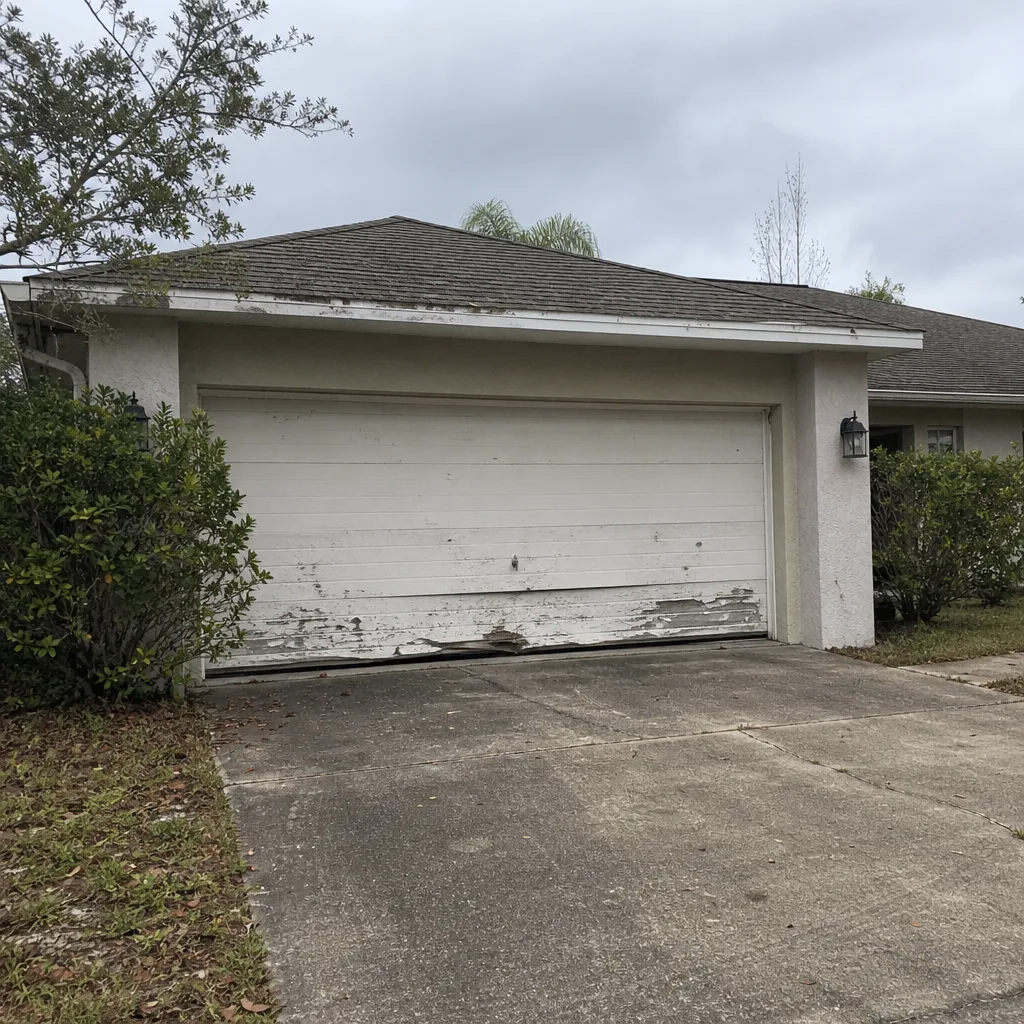 Before
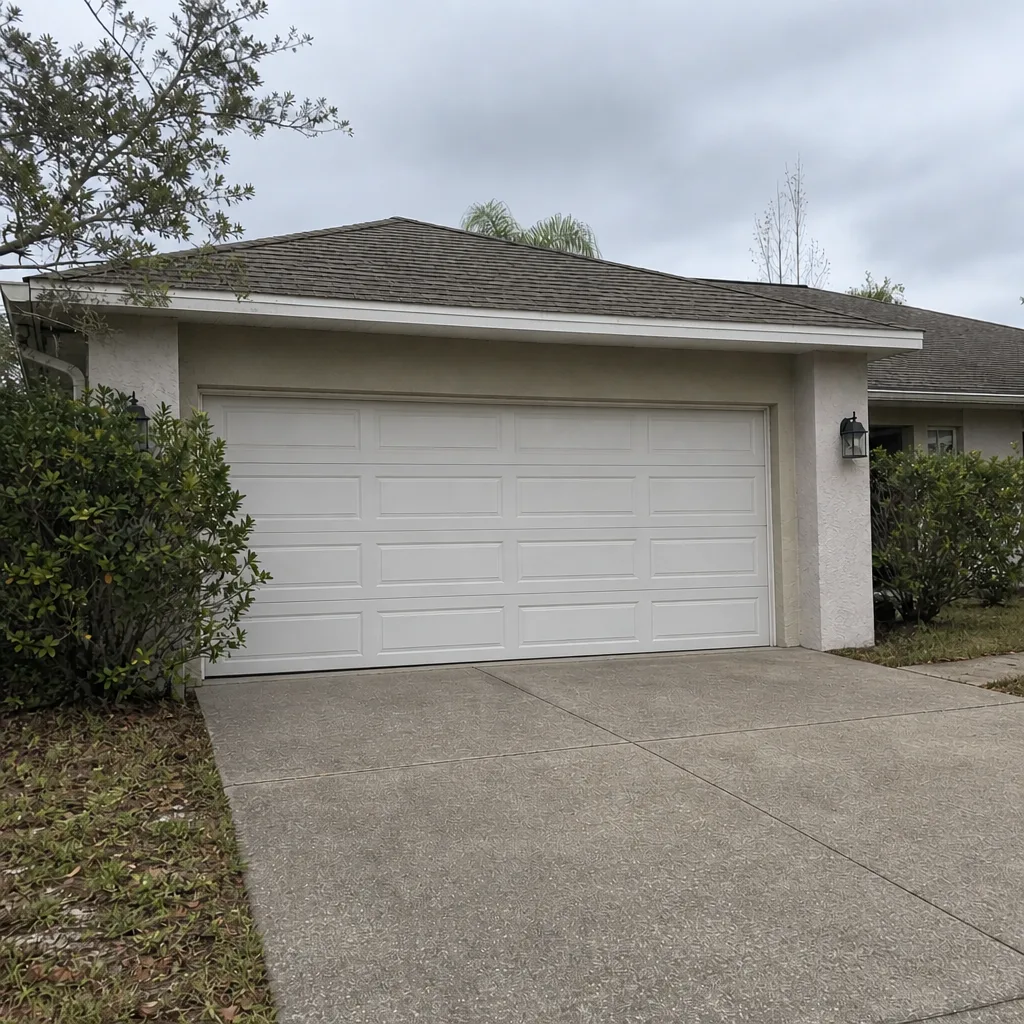 After
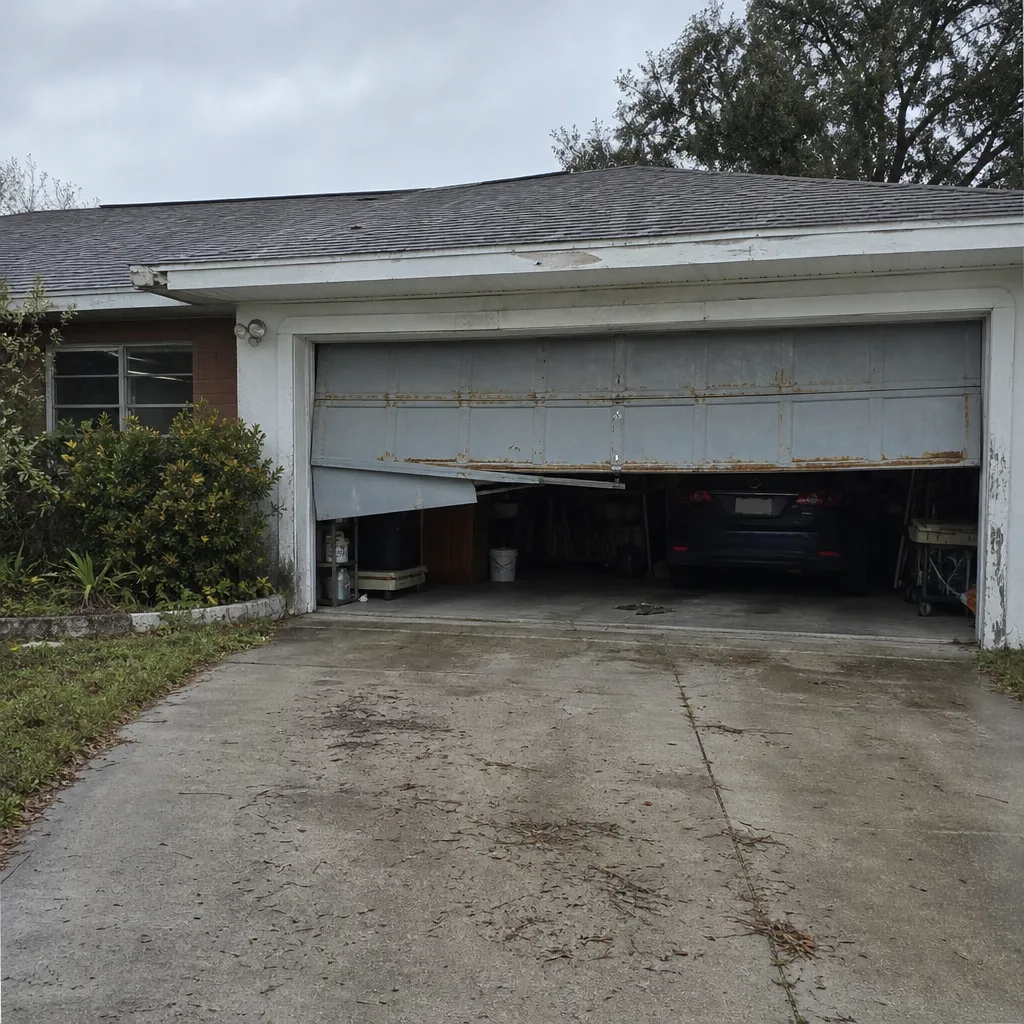 Before
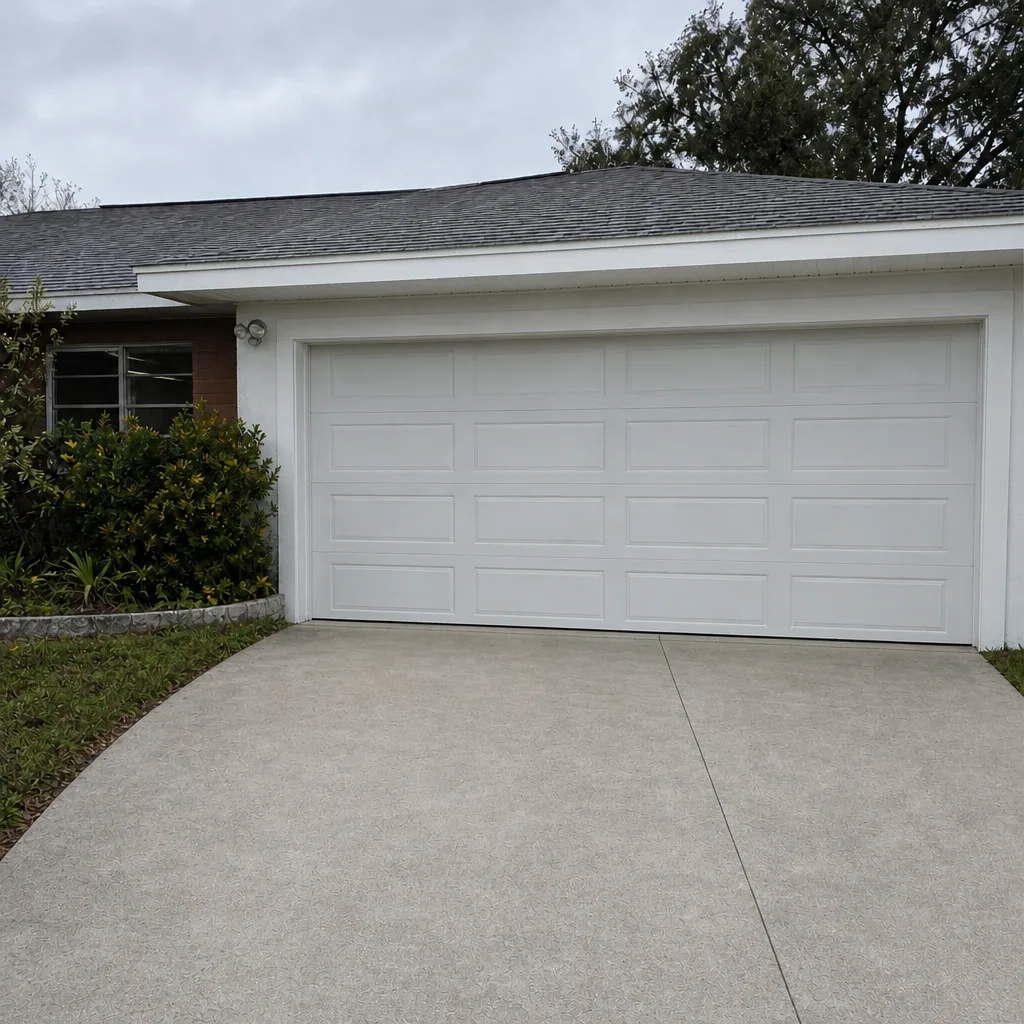 After
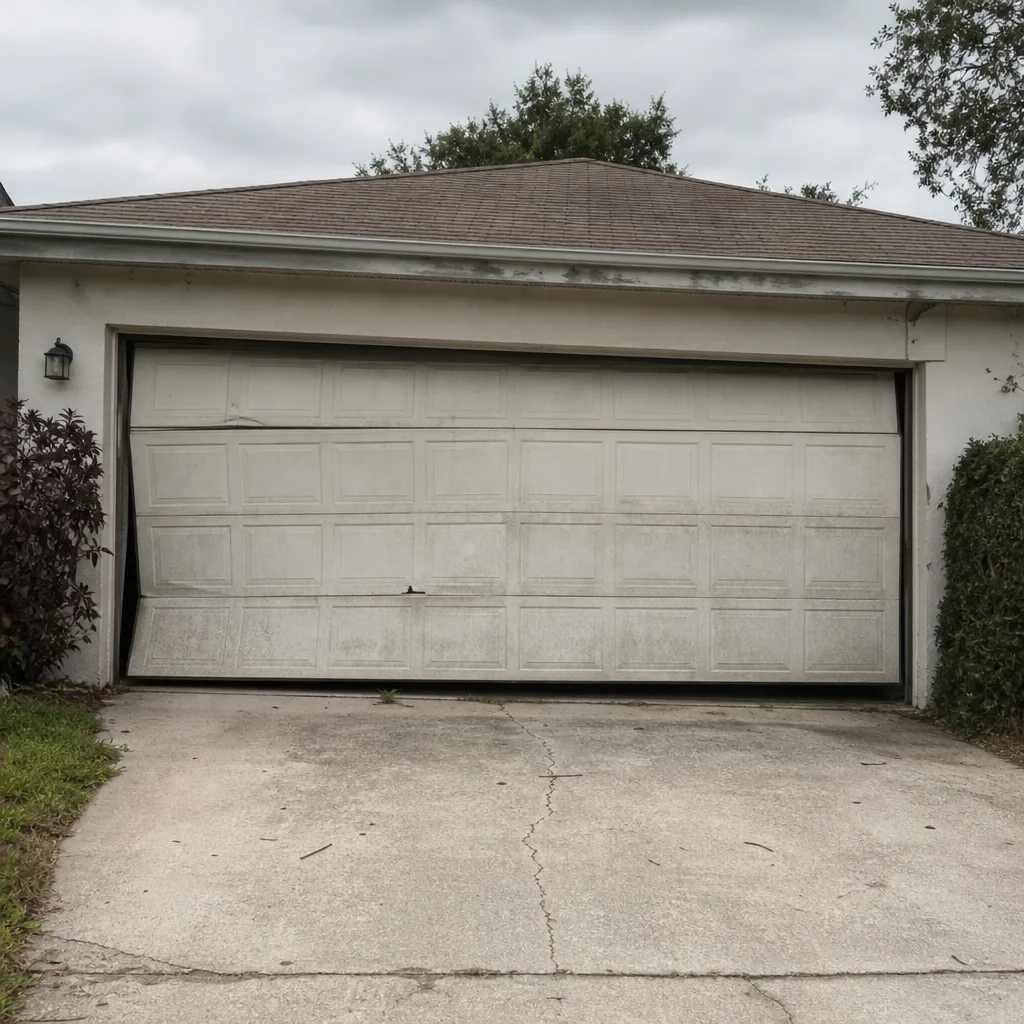 Before
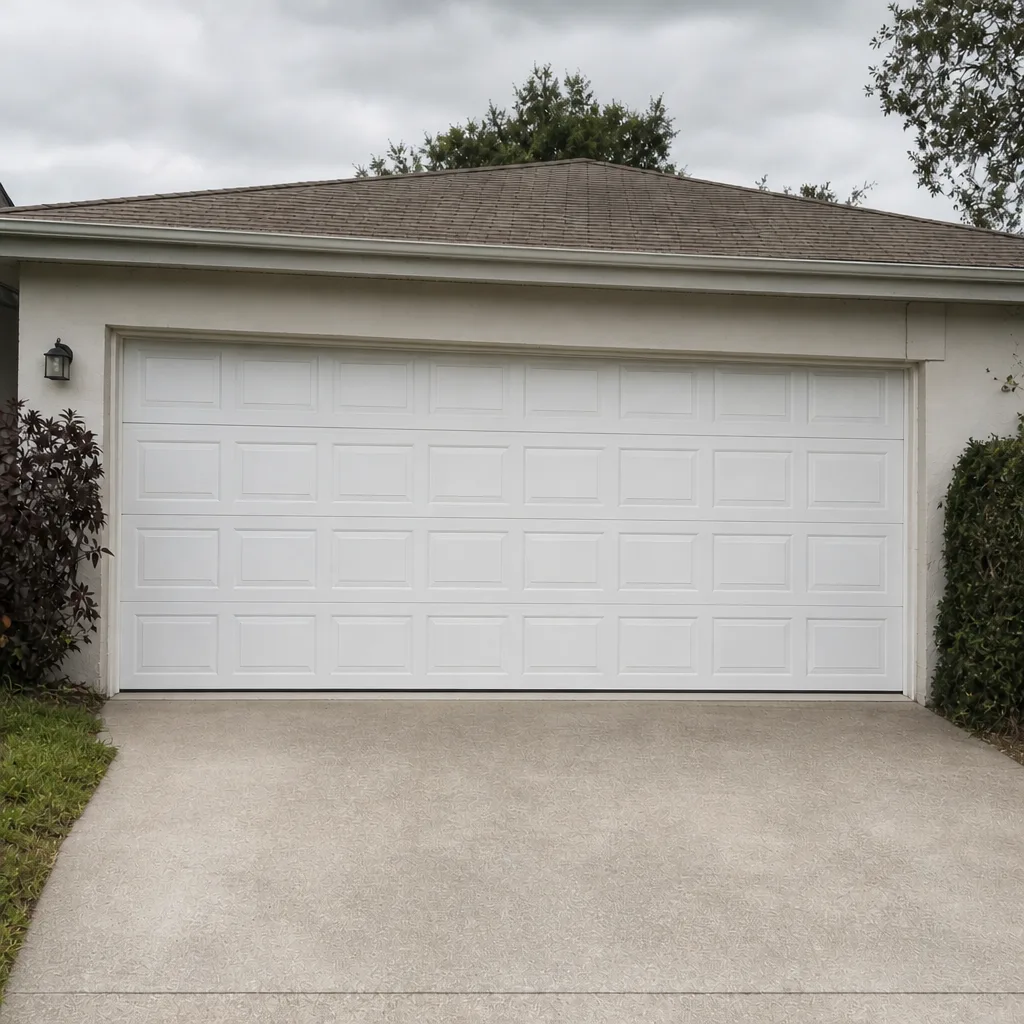 After
When to Call a Professional
Some garage door issues are repair-shaped: a snapped spring, a dead opener, a door that won’t move. Others, like a full replacement, are installation-shaped and involve a permit, a product approval number, and a county inspection. Know which you’re facing. If the door won’t open or close and the opening is unusable, that’s a call now. If the door is functional and you’re weighing a replacement, that’s a call to get the paperwork path sorted before you commit to anything. And if you suspect an unpermitted door from a previous owner, that’s a call for a look, not a guess. North Port Garage Door Repair Co offers free estimates in North Port – call (877) 600-5101. We answer 24/7. Fast dispatch from 7am to 7pm, Sunday through Friday.
Our technicians have up to 11 years of experience, and we specialize in garage doors only. We handle repair, opener repair, spring repair, and installation, and we’re certified to service eight major brands including LiftMaster, Chamberlain, Genie, Clopay, Amarr, Wayne Dalton, Craftsman, and Raynor. If you have a brand on your door and want the job done right the first time, we’ll walk you through it.
Frequently Asked Questions
It depends on what’s changing. If the door size, wind-load rating, or mounting method changes, or the opening itself is modified, Charlotte County generally requires a permit. A like-for-like replacement that matches the approved door on record can sometimes avoid one, but confirm it with the county building department before work starts. Call (877) 600-5101 for a free estimate and a walk-through of what your job needs.
A Florida Product Approval number is a state-issued reference to a specific product’s evaluated performance, including wind resistance, for a defined size and mounting configuration. You need it if your door requires a permit, because the county uses it to verify the door meets code. Ask your installer for the number for your exact door and size before you sign anything.
Yes, usually. You file the permit application after the fact with the door’s spec sheet and product approval, and the county schedules an as-built inspection to verify the installed door matches the documentation. The earlier you start, the easier it is. If the door has no approval or the mounting doesn’t match, be ready for the county to ask for more.
The inspector verifies the installed door matches the permit: size, model, design pressure, product approval number, and mounting method. They also check that the door operates correctly. If the paperwork and the install line up, the permit is closed. If a size or mounting detail is off, expect a correction before sign-off.
Get the HOA’s approved styles in writing, then ask for an alternative that meets the design pressure your home requires. Several manufacturers make the same door in more than one panel style, and one of those is often approved for both. Talk to your installer before ordering, and don’t place the order until both approvals are documented.
It can. A door installed without a permit can leave a gap in the property record that insurers may consider when you file a claim tied to that door. Correcting the record now is far cheaper than dealing with a dispute later. If you’re not sure about your door’s history, have it checked. Our garage door repair team can tell you what you have and what it takes to make it compliant.
The Bottom Line
A garage door replacement in North Port is a permitted job more often than homeowners expect, and the consequence of skipping the permit doesn’t show up on install day. It shows up during a home sale or an insurance claim. The safe approach is to confirm the threshold with Charlotte County, get the door’s Florida Product Approval number before ordering, match the install to the approved mounting details, and get an as-built inspection if you’re correcting a door from the past. None of that is complicated, but it does have to happen in the right order. The written estimate sets the price before work begins, and the permit record protects everything after that.
Call (877) 600-5101 for a free estimate. We answer 24/7. Fast dispatch from 7am to 7pm, Sunday through Friday.
Written by the team at North Port Garage Door Repair Co.