
Last updated November 21, 2026
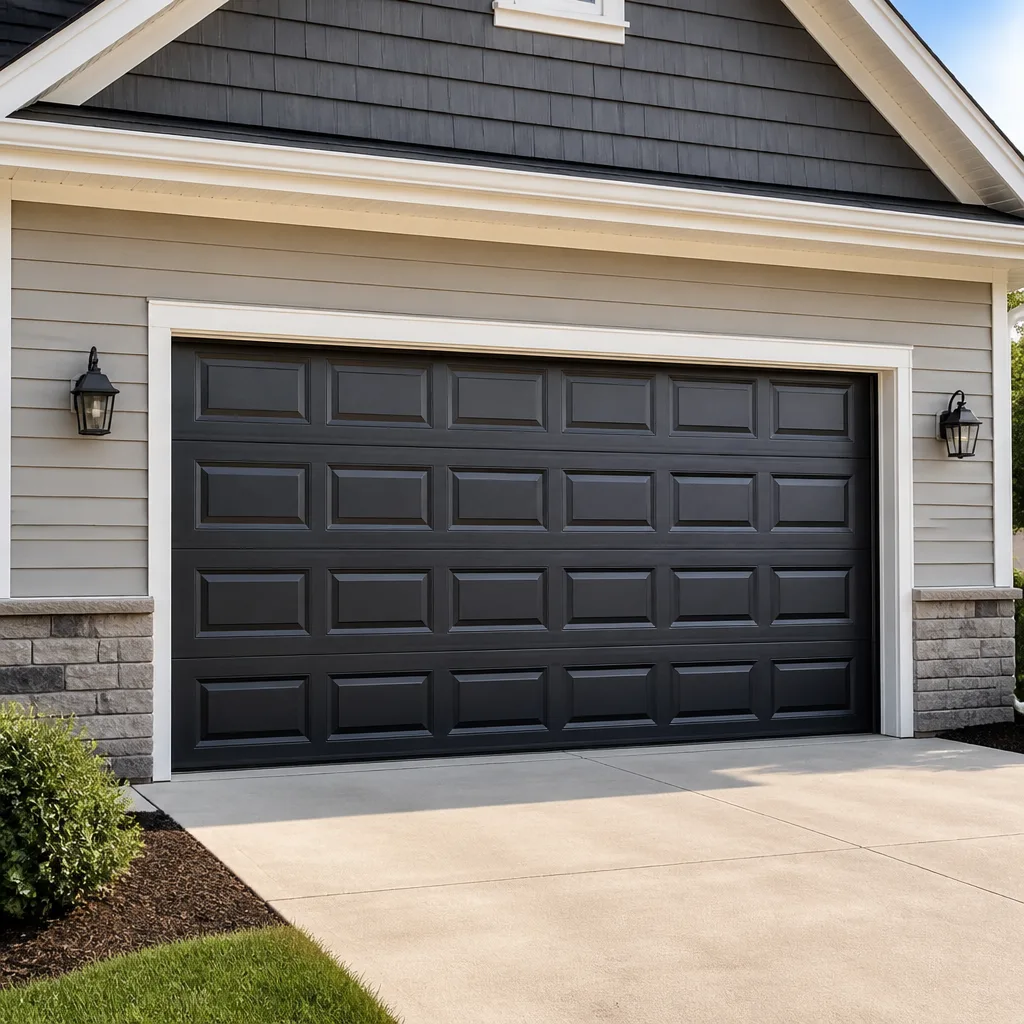 Raised-panel steel
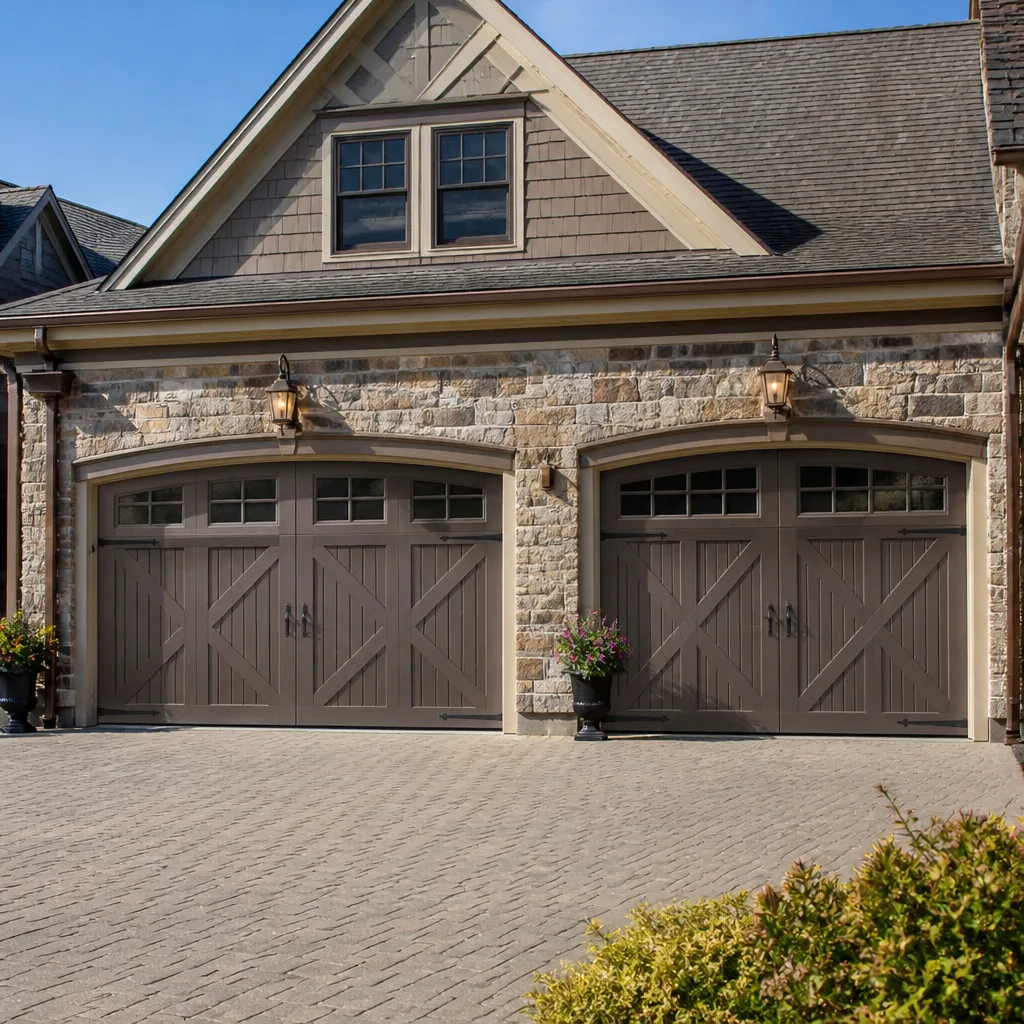 Carriage house
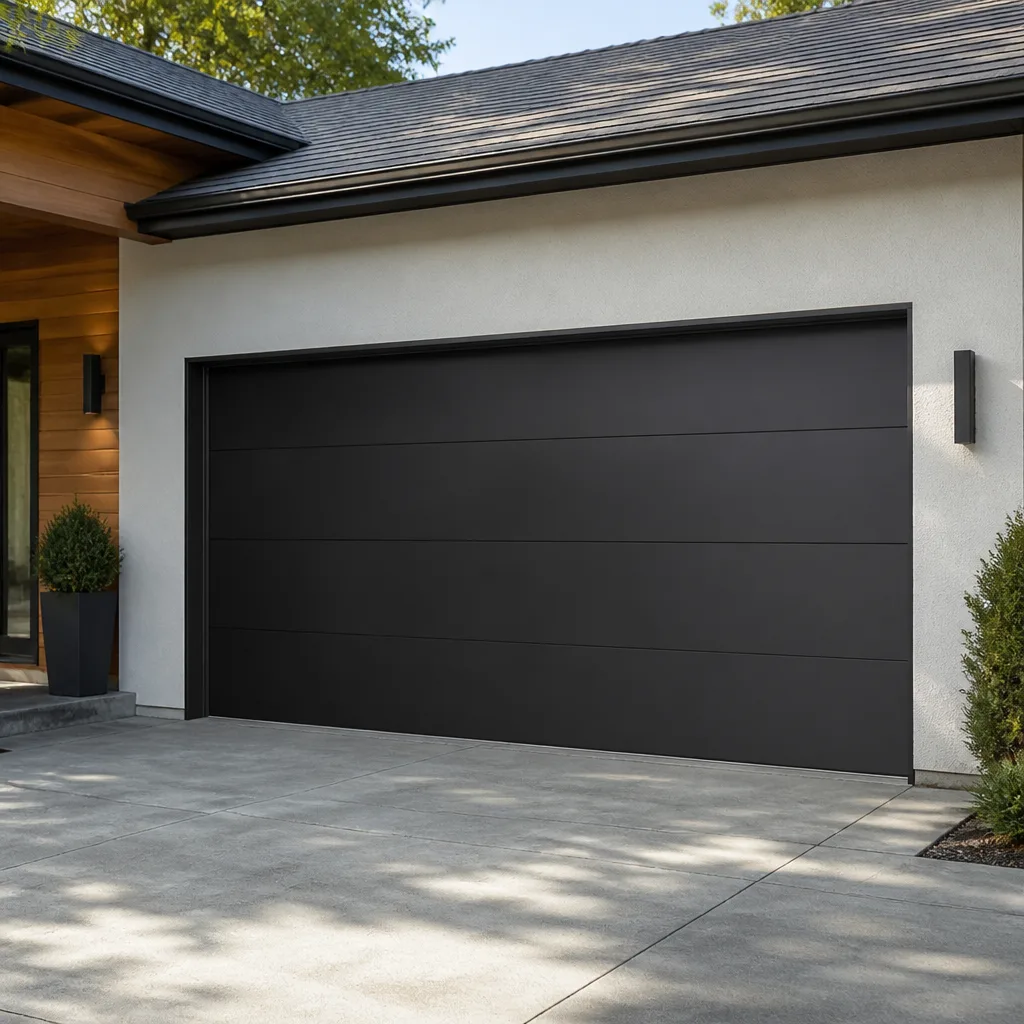 Modern flush
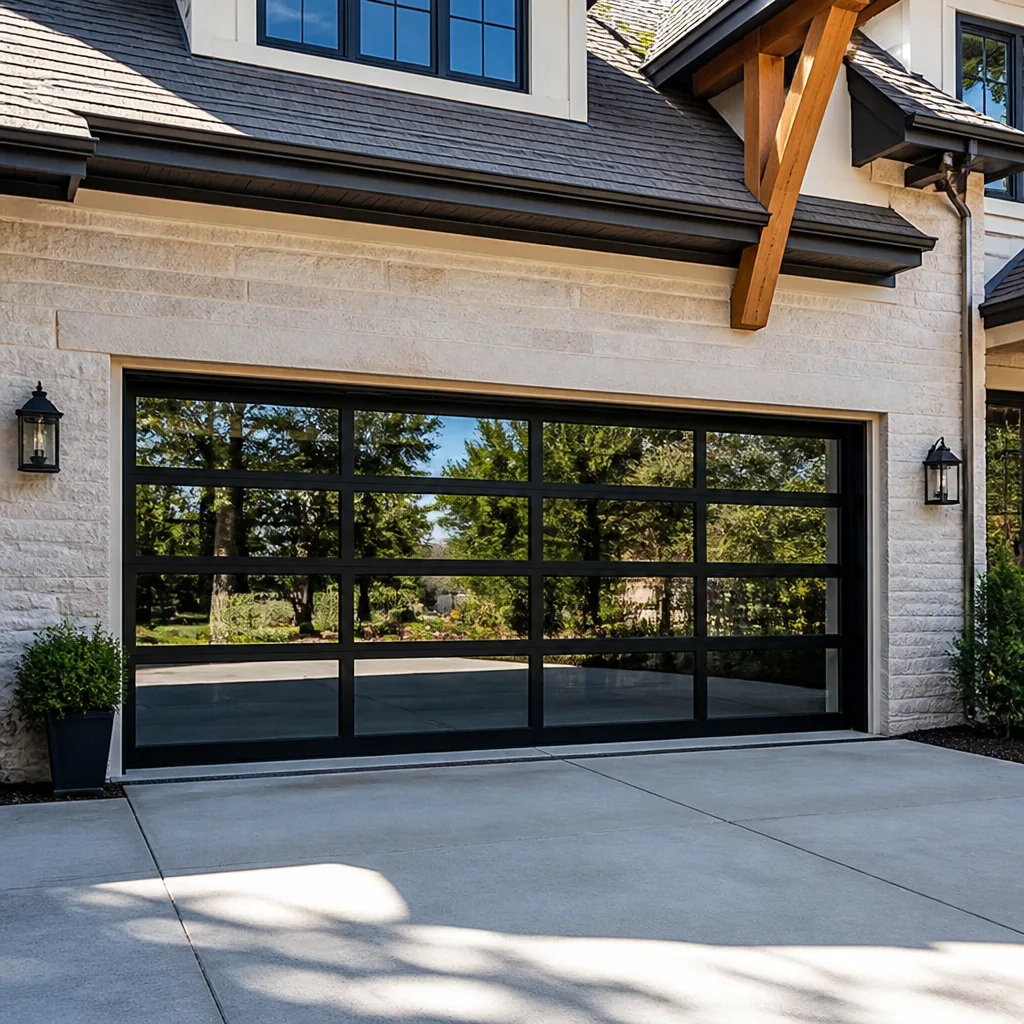 Full-view glass
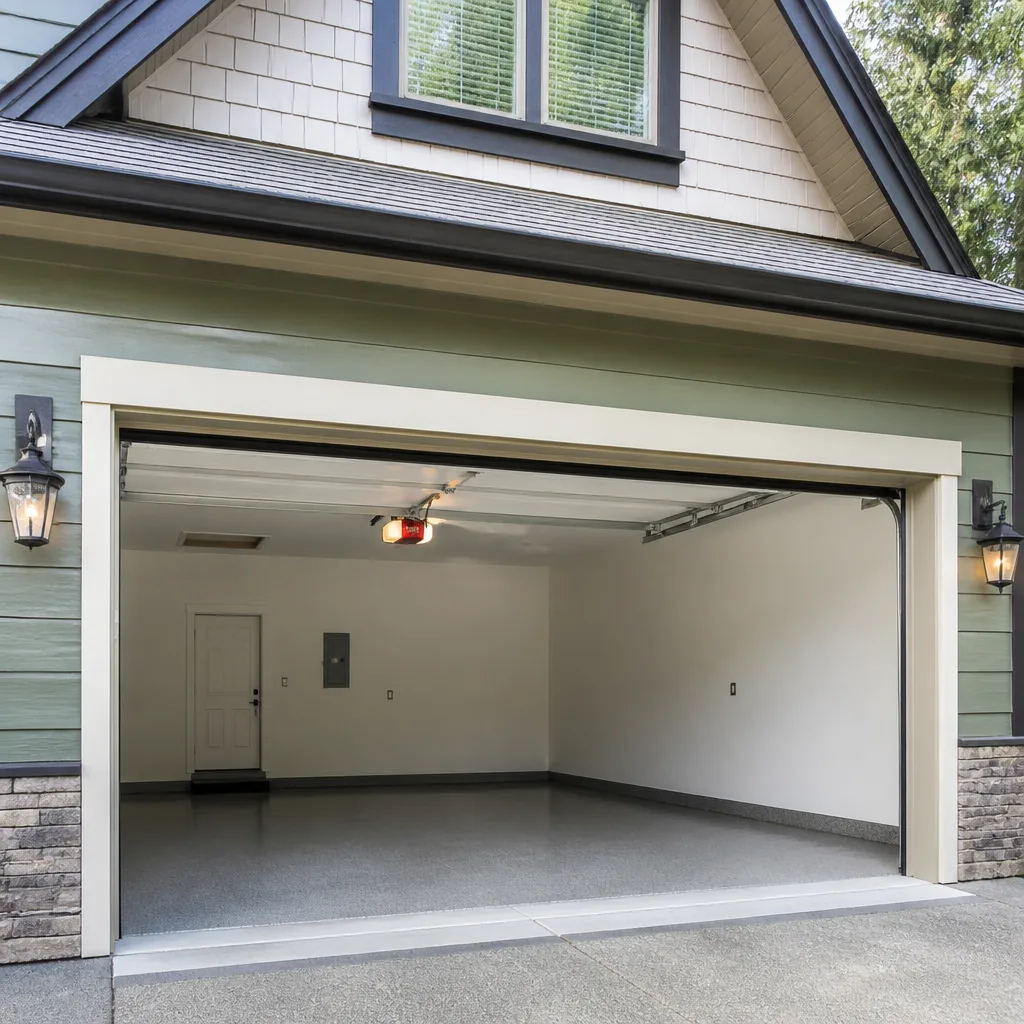 LiftMaster openers
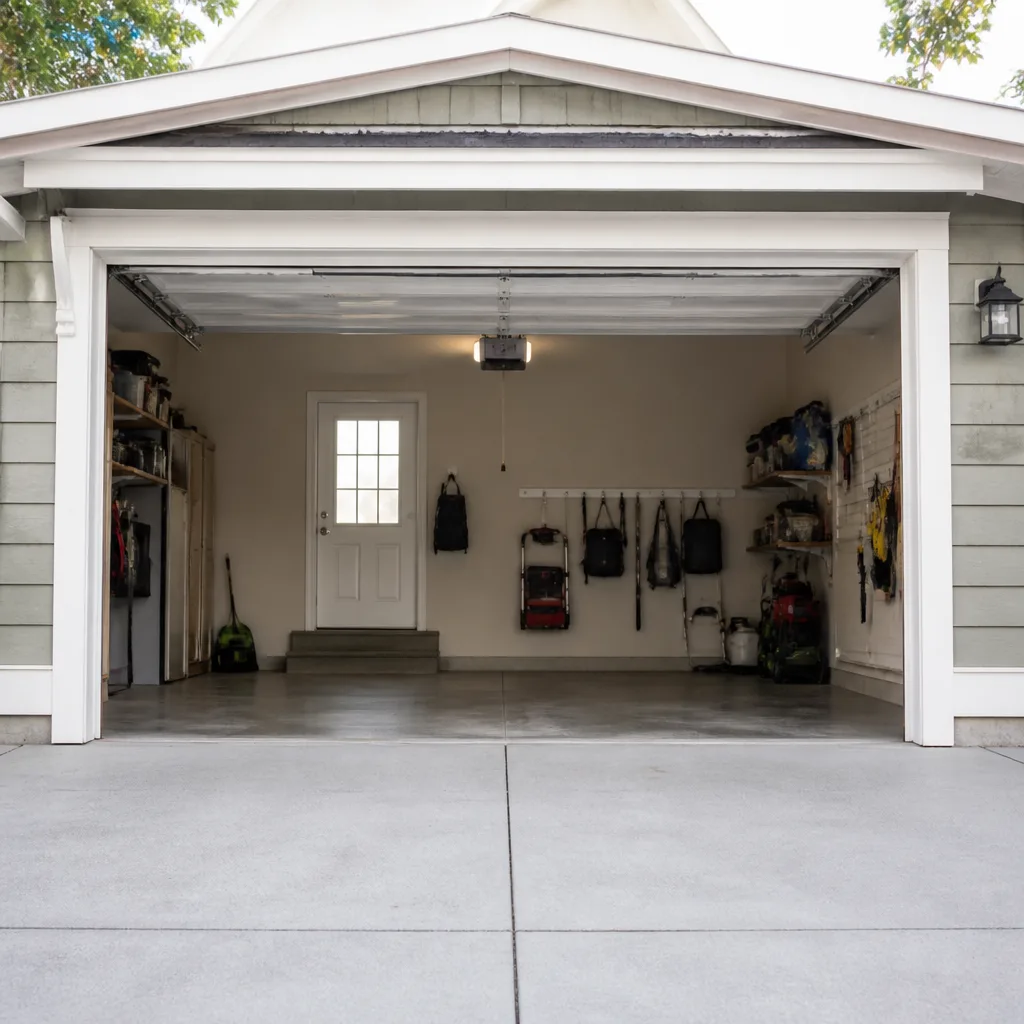 Chamberlain openers
Full 25-point door and opener safety check with every visit - springs, cables, rollers, tracks, and your LiftMaster or Chamberlain opener included
You get a price before we start. It does not change when the pro arrives.
Get your free estimateGarage Door Warning Signs: A North Port Homeowner’s Reference Guide
A garage door that hesitates for two seconds before it opens isn’t just annoying. In most cases, that pause points to a spring that’s losing tension and is closer to snapping under full load than most homeowners realize. The trouble with nearly every warning-sign list you’ll find online is that it stops at the symptom – “it’s loud,” “it’s slow” – without telling you what’s actually failing or how fast you need to act. That leaves you guessing when the real question is simple: keep using the door, or stop now? This guide changes that. We connect each sign to the mechanism behind it, tell you whether it’s a monitor-it, schedule-it or stop-using-it situation, and keep it grounded in what garage doors actually do in North Port’s heat, humidity and afternoon storms.
Quick Answer
The most serious garage door warning signs are a door that won’t stay up, a snapped or stretched spring, a visible fraying or rust-stained cable, and any door that reverses for no reason. Those are stop-using-the-door situations and call for a trained technician right away. Less urgent but still worth scheduling this week: a door that’s suddenly slow, grinding or squealing rollers, and an opener that stops mid-travel or ignores the remote. A garage door specialist can tell you in minutes which category you’re in.
Styles & brands we work with
- Raised-panel steel
- Carriage house
- Modern flush
- Full-view glass
- LiftMaster openers
- Chamberlain openers
Table of Contents
- The Three-Bucket Triage: Do Not Use, Schedule Soon, Monitor
- What Each Garage Door Sound Tells You
- Springs and Cables: The Components That Fail Fast
- A Slow Door in Summer vs. a Slow Door in Winter
- Rust Patterns on North Port Doors: Surface vs. Structural
- Opener Behavior as a Diagnostic Tool
- The Monthly Visual Check You Can Do Yourself
- When to Call a Professional
The Three-Bucket Triage: Do Not Use, Schedule Soon, Monitor
Before you read a single symptom, know where it lands. We sort every warning sign into three buckets, because the right response to a squeaky roller is nothing like the right response to a hanging spring. Getting this wrong is how a $200 repair turns into a much larger one, or worse, an injury.
Do not use the door:
- The door won’t stay up when you lift it by hand, or slams down faster than it should.
- You can see a gap in the spring above the door, or hear a loud bang from the garage.
- A cable is frayed, kinked, slack or hanging loose.
- The door reverses on its own or comes down on something in its path.
- The door is visibly crooked, with one side higher than the other.
These all involve either the counterbalance system (springs and cables) or the safety reverse. Both are load-bearing and both can hurt someone. Stop using the door and get it looked at.
Schedule soon – this week:
- Grinding, squealing or scraping as the door moves.
- The opener strains, hesitates or stops partway.
- The door is noticeably slower than it used to be.
- The remote works only up close, or intermittently.
- One or more rollers look worn, cracked or flat-spotted.
None of these is an emergency today, but each one gets worse and more expensive the longer it runs. A worn roller chews the track. A straining opener burns out its gear. Address them before they cascade.
Monitor:
- A single squeak that grease quiets down.
- Minor surface rust on hardware that isn’t on a cable or spring.
- A remote with a weak battery.
In our experience, homeowners in North Port get the most value from this triage because it turns a vague “something’s off” into a clear next step. If you’re ever unsure which bucket you’re in, that’s exactly the question to ask a specialist.
What Each Garage Door Sound Tells You
“Loud noises” is useless advice. The specific pitch, rhythm and timing of a garage door sound points to a specific part, and that difference changes both the repair and the safety risk. Here’s how to decode what you’re hearing.
A sharp, explosive bang, then silence. That’s almost always a torsion spring snapping. It sounds like a gunshot because the spring was holding hundreds of pounds of stored energy and released it all at once. The door will feel extremely heavy if you try to lift it. This is a do-not-use situation – the door has lost its counterbalance and the opener alone can’t safely lift it.
A rhythmic grinding or squealing that rises and falls as the door moves. This is a roller or track problem. Dry, worn or flat-spotted rollers grind against the track; a misaligned track makes them scrape. It’s usually a schedule-soon repair, but if the door starts to shudder or bind, stop using it before a roller jumps the track.
A whining or grinding from the opener head itself, with the door barely moving or not moving at all. That’s typically a stripped gear or a failing drive inside the opener. It’s an opener problem, not a door problem. This is a garage door opener repair job, and it’s worth knowing whether the unit is a LiftMaster, Chamberlain or Craftsman, because the drive assemblies differ and a specialist familiar with the brand diagnoses it faster.
A rattle or clunk over the top of the door. Loose hinges, brackets or bolts working free. Usually minor, but a loose bracket can let the door shift, so tighten or have it checked soon.
Why the difference matters: a roller repair and a spring repair are very different jobs in time, cost and risk. Knowing which one you’re hearing lets you describe it clearly and plan realistically.
Springs and Cables: The Components That Fail Fast
If one part of your garage door deserves your attention before any other, it’s the counterbalance system – the springs and cables that make a heavy door feel light. These are also the two components where a warning sign can turn into a real hazard in a short window.
Springs come in two types: torsion springs (the coiled bar above the door) and extension springs (the springs that run along the sides). Both store enormous energy. A spring that’s “just” stretched or sagging is already under less control than it should be, and a snap can happen without much warning. That’s why a door that won’t stay up, or that feels suddenly heavier, is a stop-using signal rather than a wait-and-see.
Cables are the second half of that system. They run from the springs along the sides of the door and keep everything balanced. A cable that’s frayed, kinked, slack or showing a rust stain is compromised – and because cables are under tension, a failure can whip loose. Never touch, adjust or reattach a cable yourself. This is where a trained professional isn’t optional; the risk to your hands and face is real. Our garage door spring repair work centers on getting the tension, balance and safety back to spec, which is the only way these parts should be handled.
What to check without touching anything:
- Look at the spring above the door – do you see a gap where the coil is split? Stop using the door.
- Glance at the cables along each side – are they straight and taut, or slack and frayed?
- Lift the door by hand about halfway. It should feel manageable and stay put. If it’s heavy or drops, stop.
- Look for rust stains streaking down from the cable or spring area – that’s a sign of moisture reaching the steel.
For more on how we handle these jobs and what a written estimate looks like, see our garage door repair page. The price is set per job by the written estimate before any work starts, so there’s no surprise at the end.
A Slow Door in Summer vs. a Slow Door in Winter
A door that’s “a little slow” in July is often a different problem than one that’s slow in January – and treating them the same is a common mistake. North Port’s summers are hot and humid, and that changes how the door’s parts behave.
Summer slowness usually points to heat and humidity. Metal tracks and door panels expand slightly in the heat, which can make a door bind or drag through part of its travel. Humidity thickens grease in the rollers and hinges, so parts that were smooth in spring start to drag. The opener, sensing resistance, may slow down or strain. In most cases this is a lubrication and adjustment issue – a schedule-soon item, not an emergency – but if the door starts to bind hard or the opener struggles loudly, stop using it and get it checked.
Winter slowness has a different set of causes. Cold stiffens grease and can make a worn spring feel weaker, so a door that was borderline in fall may finally show it. If the slow door is paired with a heavier feel when you lift it by hand, that’s a spring that’s losing tension, not just cold grease.
Why this matters for a North Port homeowner: our warm, humid summers are the season when drag and binding show up, and the fix is often adjustment and lubrication rather than replacement. Knowing the season helps you describe the problem accurately and helps a technician bring the right approach. If your door’s behavior changes with the weather, mention that – it’s a useful diagnostic clue.
Rust Patterns on North Port Doors: Surface vs. Structural
Not all rust is created equal, and the location of the rust tells you whether it’s cosmetic or a safety concern. On a garage door there are two very different kinds to know.
Surface oxidation shows up on the door’s skin, hinges, brackets and fasteners as a light orange-brown film. It’s mostly cosmetic and, in a humid climate, it’s normal to see it come and go with the seasons. A little surface rust on a hinge or bolt is a monitor-and-maintain item – clean it and keep hardware lubricated.
Cable and spring corrosion is the one that changes the safety risk. When you see rust streaking down from the cable or the spring area, moisture has reached a load-bearing part. Rust on a cable means individual strands are weakening, and a cable that’s lost strength can fail under tension. That’s a do-not-use situation, not a cosmetic one. On the spring, corrosion weakens the coil and raises the chance of a snap. Our technicians have up to 11 years of experience and know exactly what to look for on a North Port door, because the local humidity is part of what makes this pattern show up.
How to tell them apart:
- Rust on the door’s face, hinges or bolts – usually surface, monitor and maintain.
- Rust streaks running down from the cable or spring – structural, stop using the door.
- Rust that looks like it’s eating into a cable’s braided strands – structural, call a professional.
- Rust on the track that’s making rollers drag – schedule soon.
Keeping hardware clean and moving freely slows surface oxidation. But when rust reaches a cable or spring, no amount of cleaning makes it safe again.
Opener Behavior as a Diagnostic Tool
Your opener is one of the best diagnostic tools you’ve got, if you know how to read it. Its behavior – how it starts, stops, reverses and responds – points back into the mechanical system. Here’s what each pattern usually means.
The door reverses for no reason. The safety reverse system is doing its job: it sensed an obstruction or a resistance it didn’t like. It could be a misaligned safety sensor, a track that’s binding, or a door that’s out of balance. Reversals are a stop-using sign until you know which, because a door that reverses unexpectedly can be a genuine safety issue.
The opener stops mid-travel. The opener is hitting resistance it interprets as an obstruction, or the travel limits are off. A binding door, worn rollers or a failing gear can all cause it. This is a schedule-soon issue unless the door is binding badly enough to strain the motor.
The remote only works up close, or lags. Usually a weak battery (start there), but if a fresh battery doesn’t fix it, the logic board or the receiver may be the culprit. Brand matters here: a LiftMaster, Chamberlain or Craftsman unit each has its own quirks, and a technician who works with those brands regularly will diagnose it faster than a generalist.
The opener runs but the door doesn’t move. A stripped gear or a broken drive – an opener repair job, not a door replacement. The chain or belt may be slack or the gear may be worn smooth.
Reading these signals correctly is what saves you from guessing. If your opener is doing any of the above, our garage door opener repair service starts with diagnosis, not guesswork.
The Monthly Visual Check You Can Do Yourself
You don’t need to be a technician to catch most of these early. A five-minute visual check once a month catches the small stuff before it becomes a call. Do it with the door closed and the opener disconnected or unplugged so nothing moves while you’re looking.
- Look at the spring. Is the coil intact, or is there a visible gap? A gap means a broken spring – stop using the door.
- Check the cables. Straight and taut, or frayed, slack and kinked? Rust streaks are a warning too.
- Open and close by hand. The door should lift smoothly and stay put near halfway. Heavy or fast-dropping means a counterbalance problem.
- Watch the rollers and hinges. Look for cracks, flat spots or loose bolts. Worn rollers are common and cheap to catch early.
- Test the safety reverse. Put a small object in the door’s path and close it – the door should stop and reverse. If it doesn’t, stop using the door and call.
- Check the opener’s response. Note any slowness, stalling or remote lag and describe it when you call.
What this check is not: a how-to for repairing springs or cables yourself. Those are the parts that can injure you, and they belong with a trained professional. This is about noticing, not fixing.
Common Mistakes to Avoid
- Lifting a door with a broken spring to “just get the car out.” The opener can’t hold the door’s weight, and the door can come down hard. Wait for a technician.
- Adjusting or reattaching a cable yourself. Cables are under tension and can whip loose. This is the most dangerous thing a homeowner can attempt on a garage door.
- Ignoring a door that’s “a little slow” through a North Port summer. Summer slowness is often fixable with adjustment, but if you let it bind, it can chew up rollers and strain the opener.
- Counting on a little surface rust as harmless everywhere. Surface rust on a hinge is fine; rust on a cable is dangerous. Read the location, not just the color.
- Replacing the opener when the door is the problem. A door that binds or is off-balance makes any opener struggle. Diagnose the door before buying a new unit.
- Watching a door reverse and calling it “the safety thing” without checking further. Erratic reversals can be a sensor, a track or an imbalance. Each has a different fix.
- Skipping the written estimate. Always confirm the price before work starts. A shop that won’t put it in writing isn’t one to use.
See the difference
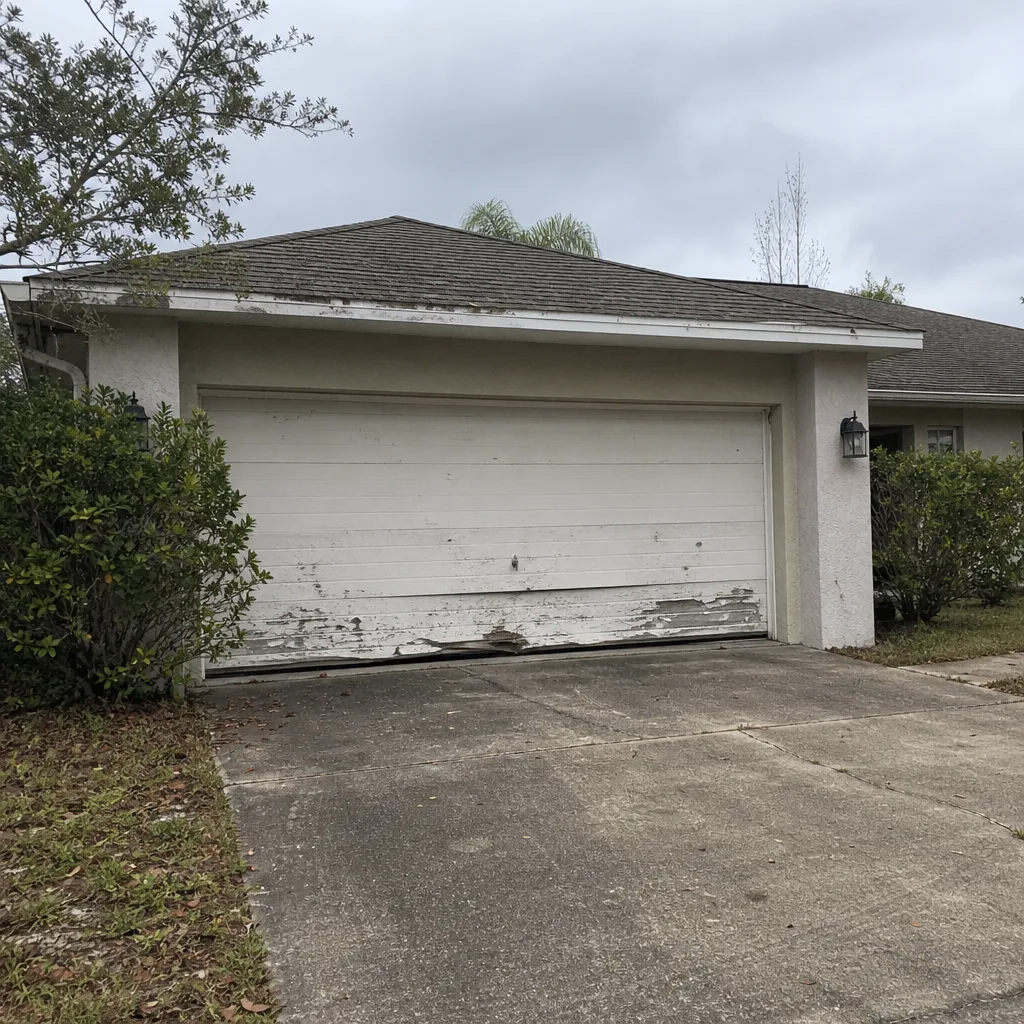 Before
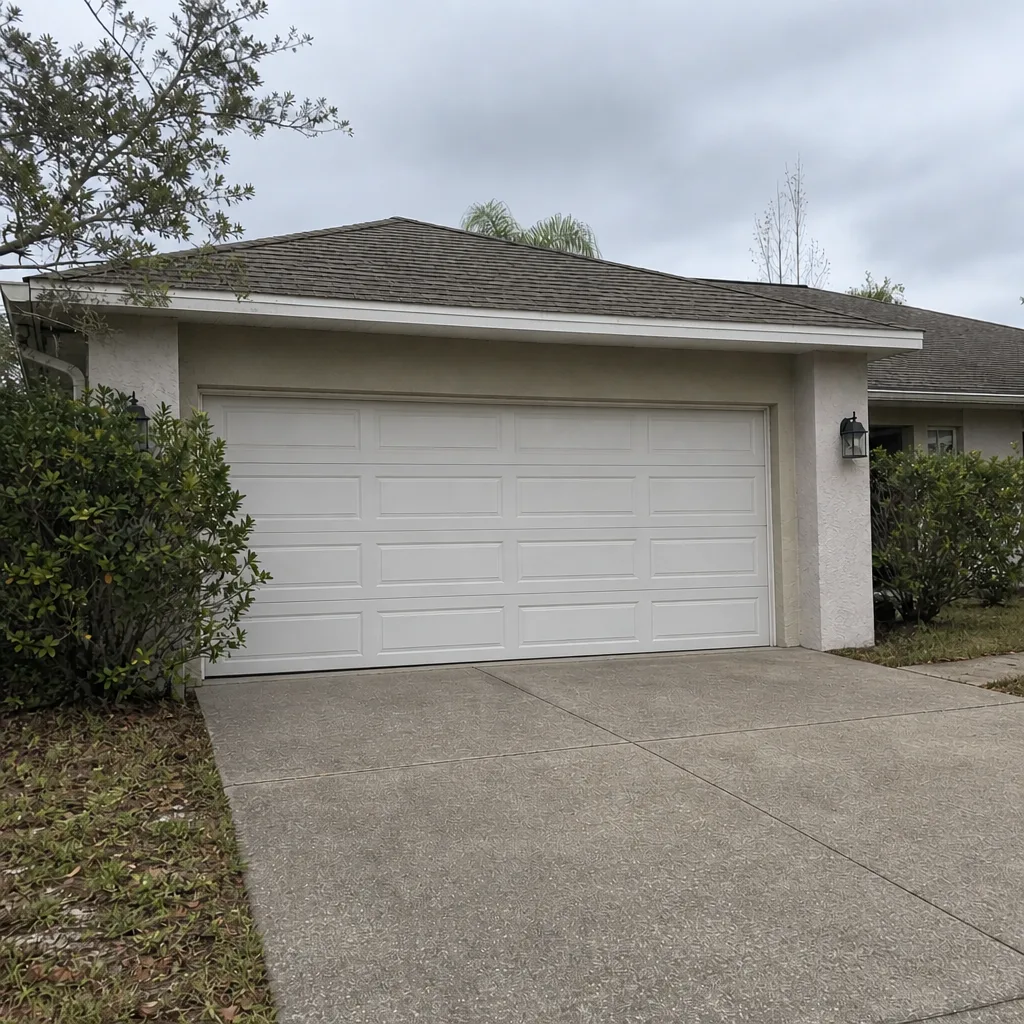 After
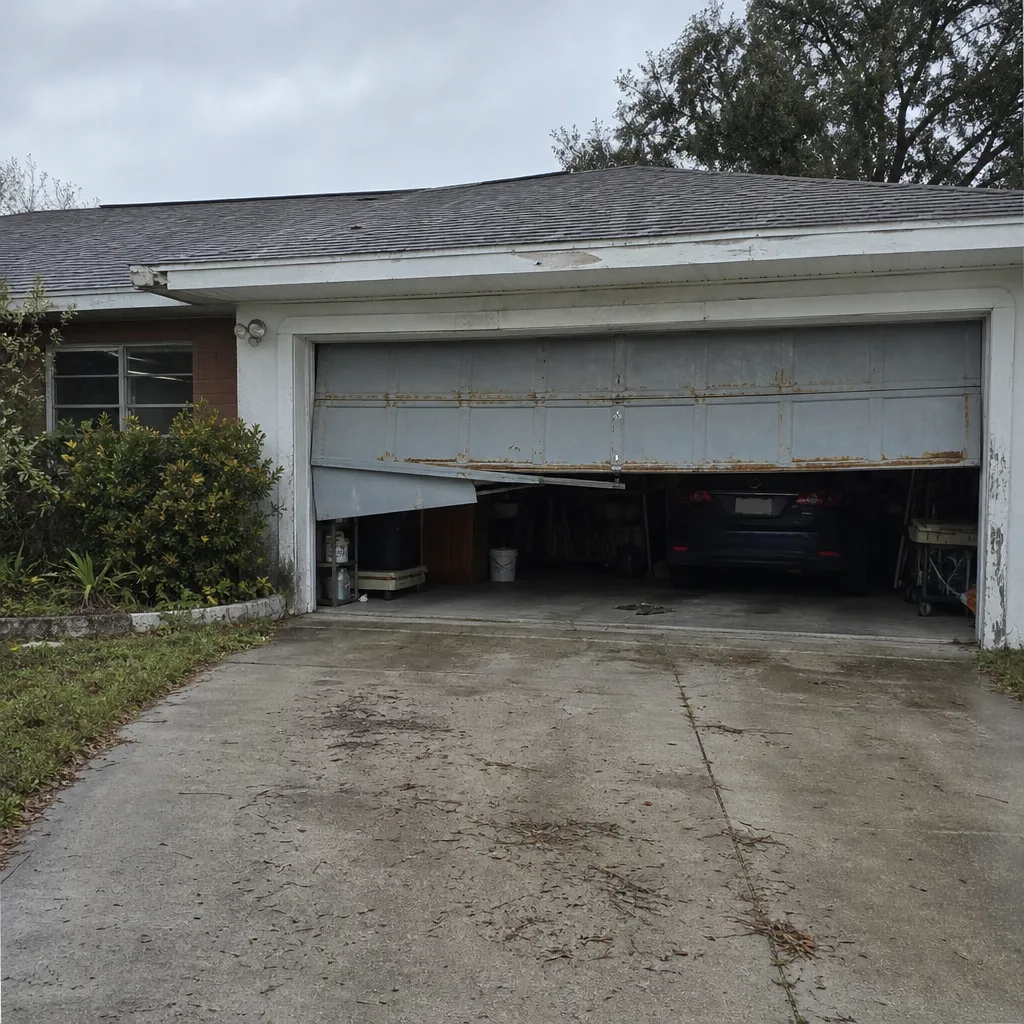 Before
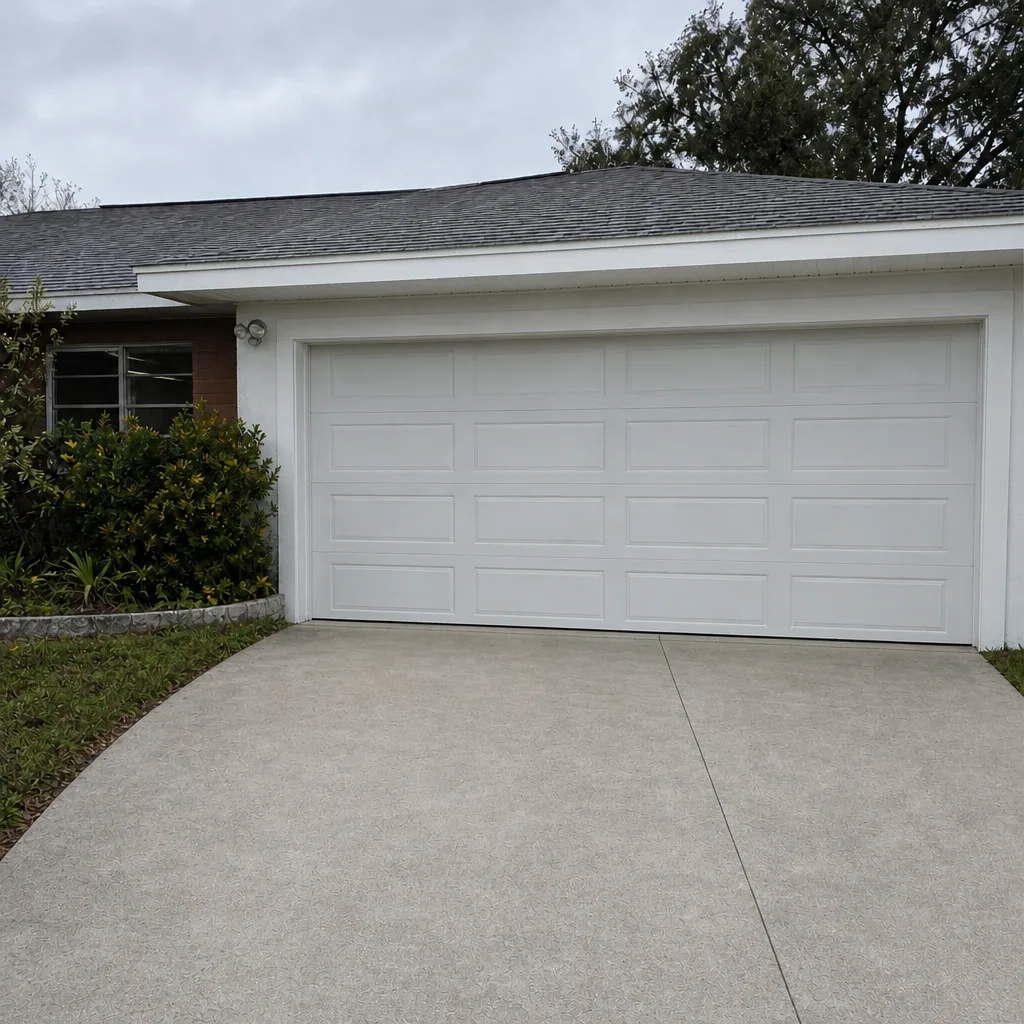 After
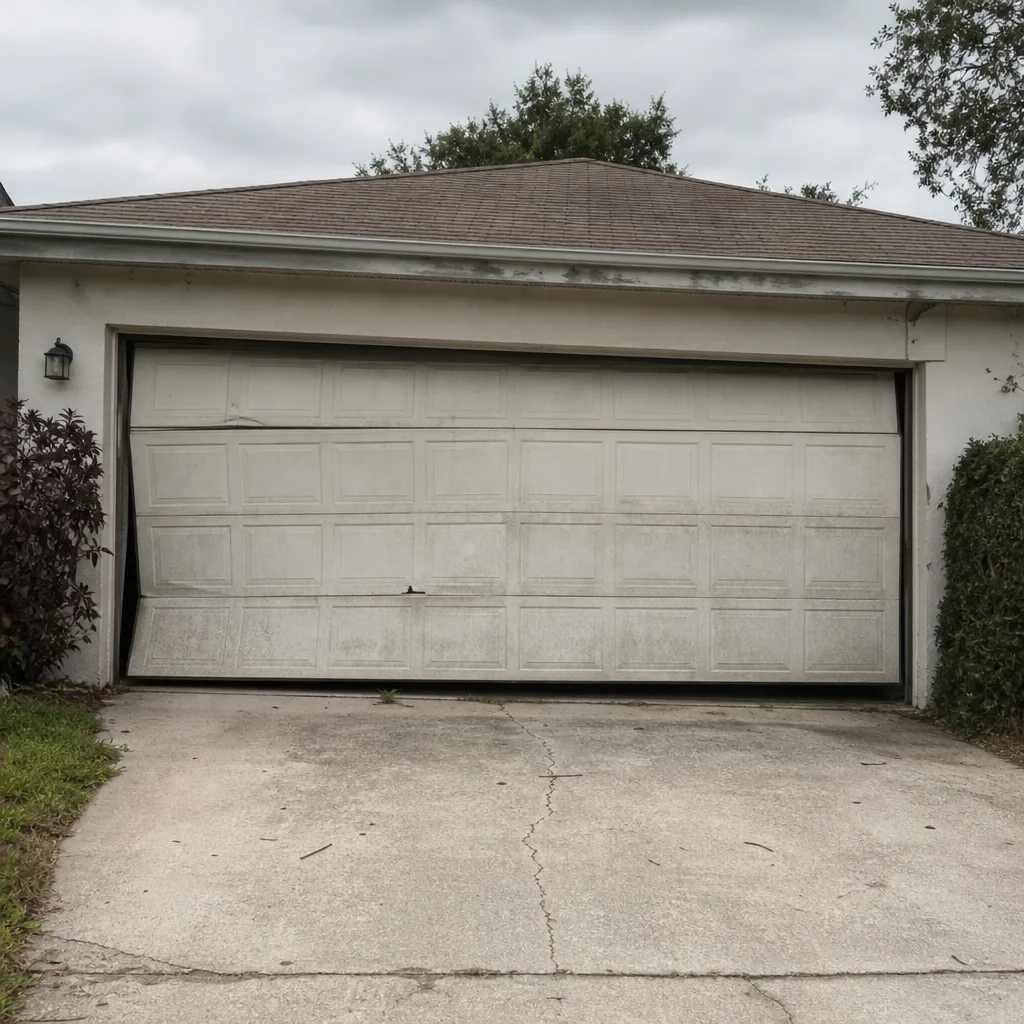 Before
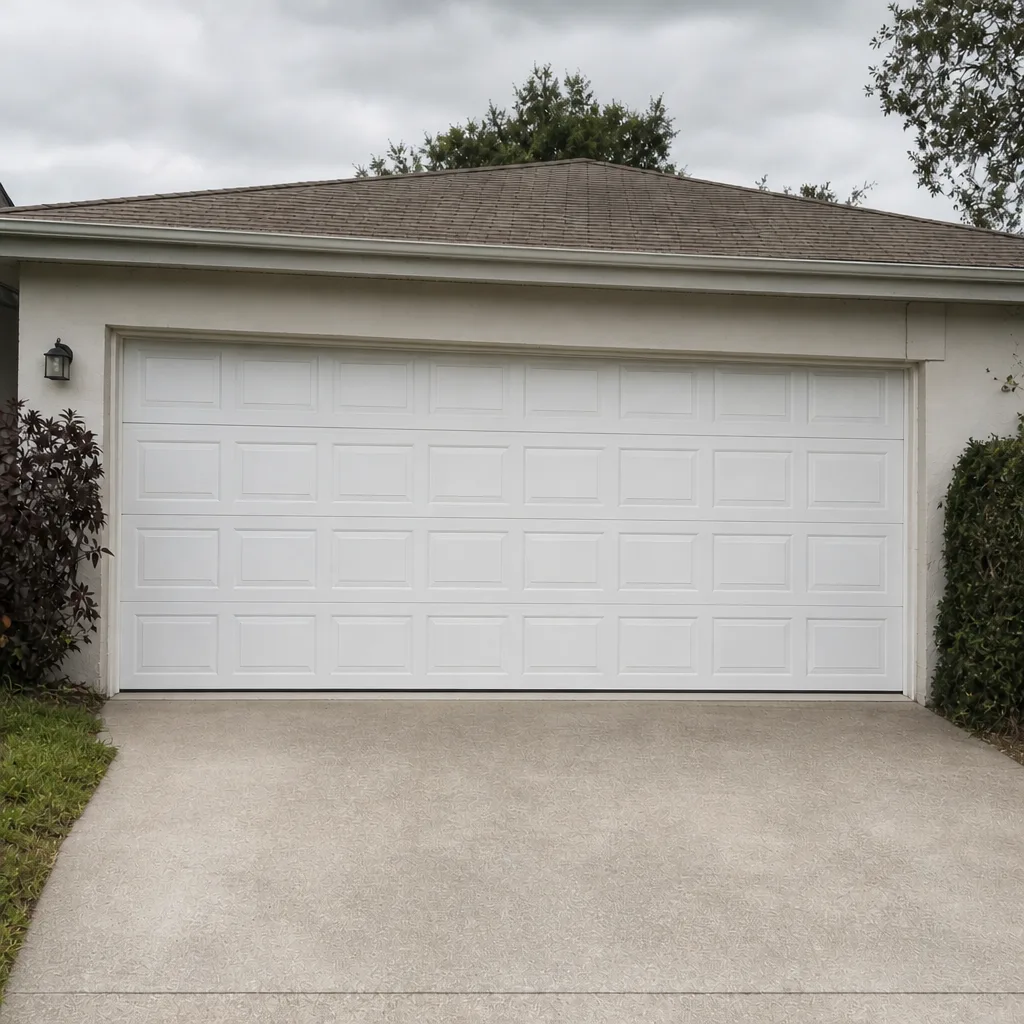 After
When to Call a Professional
Call when any warning sign lands in the “do not use” bucket: a door that won’t stay up, a broken or stretched spring, a frayed or rust-stained cable, an unexpected reversal, or a visibly crooked door. Call sooner rather than later when a “schedule soon” sign has been getting worse – grinding rollers, a struggling opener, a door that’s dragging. If you’re unsure, that’s a reason to call too; a specialist can tell you in a few minutes which bucket you’re in, and that alone is worth the call. North Port Garage Door Repair Co offers free estimates in North Port – call (877) 600-5101. The price is quoted and agreed before any work starts, so you know the number up front.
Frequently Asked Questions
Spring repair typically costs a few hundred dollars per spring here, and a matched pair is usually replaced together, so a pair costs about twice a single spring. The exact range depends on the spring type and the door. The written estimate sets the final price before any work begins. Call (877) 600-5101 for an exact quote – estimates are free.
Yes – a door that won’t close is a stop-using situation, and we treat it as a priority. We answer 24/7, with fast dispatch from 7am to 7pm, Sunday through Friday. Call (877) 600-5101 and describe what the door is doing so we can help you act safely.
No – the price you agree to in the written estimate is the price you pay. We quote per job before any work starts, so there’s no surprise invoice. If something unexpected turns up, we’ll talk it through with you before touching anything. Call (877) 600-5101 to book a free estimate.
Yes – the local professional who comes to your door is licensed and insured as the state requires. Our technicians have up to 11 years of experience, and they work on garage doors exclusively. Call (877) 600-5101 with any questions before you book.
Summer heat and humidity swell tracks slightly and thicken grease, so the door can bind or drag and the opener slows to compensate. It’s usually an adjustment and lubrication issue, but if the door starts to bind hard or the opener strains loudly, stop using it and get it checked. Call (877) 600-5101 for a free estimate.
Surface rust on hinges and bolts is a clean-and-lubricate job you can handle. Rust on a cable or spring, or rust streaks running down from those parts, is structural – stop using the door and call a professional, because those parts are load-bearing and dangerous. Call (877) 600-5101 if you’re not sure which you’re seeing.
The Bottom Line
Most garage door problems give you advance warning – the skill is reading the sign correctly and acting on it at the right speed. A door that won’t stay up, a snapped spring, a frayed or rust-stained cable or an unexpected reversal means stop using it now. Grinding rollers, a slow door or a struggling opener means schedule it this week. Everything else you can monitor and maintain. The right response turns a scary symptom into a known repair. When you’re ready, North Port Garage Door Repair Co is here – call (877) 600-5101 for a free estimate, and we’ll help you figure out which bucket your door is in. Whether it’s a snapped spring, a failing opener, or a full replacement, your garage door is all we do.
Written by the team at North Port Garage Door Repair Co.